I have a little problem. I'm addicted to cookbooks, food writing, recipe collecting, and cooking. I have a lot of recipes waiting for me to try them, and ideas from articles, tv, and restaurants often lead to new dishes. I started losing track of what I've done. So now I'm taking photos and writing about what I've prepared—unless it's terrible in which case I forget it ever happened.
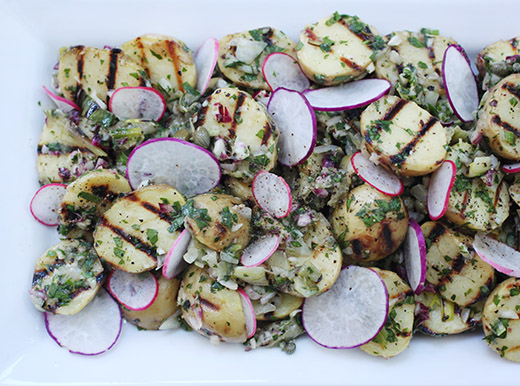
If you love to throw parties and are amazing at it or if you’d like to get better at doing it, I have a new book for you. Life Is a Party: Deliciously Doable Recipes to Make Every Day a Celebration from David Burtka is full of festive ideas, and I received a review copy. And, you can win a copy! Just leave a comment on this post before the end of Monday, May 6th including an email address where I can contact you. Two randomly selected winners in the US or Canada will each receive a copy of the book from the publisher. The book begins with handy party planning tips like setting the mood by testing lighting the day before, stocking up on plenty of ice and storing it in the bathtub or washing machine, checking with guests about any food allergies, and more. My favorite of the tips, and one that I live by, is getting as much done in advance as possible. You should enjoy the party too! Then, the party menus are grouped by season. But, there’s more than just menus and recipes. There are also suggestions for table decor, what to wear, how to take the theme to the next level, activities, and even a playlist for each occasion. Everything you need for an incredible party is here, but this is an easy-going book. You’re invited to pick and choose how much you want to do and how you want to shape your party. The recipes tend to serve six to eight, and you can scale up or down as needed. Each menu includes cocktails or mocktails, salads or sides, main dishes, and dessert. Of course, you could also mix and match recipes to create your own menus too. As soon as I opened the book, the Scallops with Peas and Green Oil got my full attention. It’s part of a spring party menu that starts with a Cucumber-Herb Cocktail and ends with a Flourless Chocolate Cake. The Mexican Fiesta looks like a lot of fun, and I would love to find big serving bowls of guacamole and ceviche at a party. I also loved the look of the Chocolate Chunk Hazelnut Bars and the pitcher of Fresh Blueberry Fizz at the Summer Picnic. It was the Sunday Funday menu that got me headed into the kitchen though. It starts with Mojito Slushies and includes Grilled Tofu Skewers with Coconut-Peanut Dipping Sauce, a DIY Sundae Bar, and the Grilled Potato and Leek Salad shown here. I did fall for the idea of grilling potatoes for a potato salad, but in truth, I can never pass up salsa verde of the Italian variety. The herby sauce with olive oil sounded like a perfect match for grilled potatoes. I used small, white potatoes, and they were boiled and allowed to cool before grilling. I opted for a grill pan on top of the stove for better heat control with the small potatoes and leeks and onions. I had a collection of local spring bulb onions and leeks, and I had just brought home some shallot scapes that I used here as well. The onions and leeks were halved lengthwise, brushed with oil, seasoned with salt and pepper and grilled on the pan until tender. The cooled potatoes were sliced in half, oiled, seasoned, and grilled for a few minutes on each side. The vinaigrette was made with mustard, white wine vinegar, olive oil, parsley, cilantro, and I added capers. I chopped the grilled onions and leeks because I prefer them finely chopped. They were added to a big bowl with the grilled potatoes to be tossed with the vinaigrette. The salad was garnished with sliced radishes.
My instincts did not fail me in assuming the salsa verde vinaigrette would be great with potatoes. The mix of alliums with the herbs all worked together fabulously. I would definitely serve this to guests or bring it to a party. Whether your guest lists are family-friendly or grown-ups-only, your gatherings are formal or anything-goes, and you plan every detail to a T or just want some basic ideas, this book has it all for your next party. Grilled Potato and Leek Salad with Salsa Verde Vinaigrette Recipe reprinted with publisher’s permission from Life Is a Party: Deliciously Doable Recipes to Make Every Day a Celebration. Serves 6 to 8 for the potatoes and leeks Kosher salt 3 pounds fingerling potatoes 1 tablespoon whole black peppercorns 3 large leeks (about 11/2 pounds) 1/4 cup plus 3 tablespoons olive oil for the salsa verde vinaigrette 1/4 cup whole-grain mustard 1/4 cup white wine vinegar 1/2 cup extra-virgin olive oil 1 1/2 teaspoons kosher salt, plus more for seasoning 4 scallions, thinly sliced Leaves from 1 large bunch flat-leaf parsley, finely chopped 1 bunch cilantro 1/4 cup sliced radishes, for garnish special equipment outdoor grill or grill pan 1. Cook the potatoes: Bring a large stockpot of heavily salted water to a boil (the water should taste like the sea). Add the potatoes and peppercorns, reduce the heat to medium-low, and simmer the potatoes until tender, about 20 minutes. 2. While the potatoes are cooking, make the salsa verde vinaigrette: In a medium bowl, whisk together the mustard, vinegar, olive oil, and salt. Stir in the scallions, parsley, and cilantro. 3. Grill the leeks: Heat the grill or grill pan to medium-high. 4. Slice off the root ends and dark green tops of the leeks and discard. Halve the leeks lengthwise, then peel back the layers by the base so they are slightly separated. Immerse the leeks in a bowl of cold water and gently shake to dislodge any dirt and grit. Pat dry, then drizzle with 3 tablespoons of the olive oil and sprinkle liberally with salt. Grill the leeks cut-side down until dark grill marks form, about 4 minutes, then flip and cook until the leeks no longer feel stiff, about 4 minutes more. Transfer to a plate and let cool. 5. When the potatoes are tender, drain them and spread them out on a baking sheet to cool, discarding the peppercorns. Once cool enough to touch, slice them in half lengthwise and toss with the remaining 1⁄4 cup olive oil and 2 teaspoons salt. Grill, cut-side down, until dark grill marks appear, 3 to 4 minutes, then flip and grill for 3 minutes more. 6. Toss the potatoes, leeks, and salsa verde vinaigrette in a large bowl; garnish with the radishes. The salad can be served right away or allowed to sit on the counter for 2 to 3 hours before serving.
I am a member of the Amazon Affiliate Program. Tweet
Do you have an opinion of British food? Has your opinion changed in recent years? Lately, British cuisine seems to be surging forward with England, Scotland, and Wales receiving 181 Michelin stars in 2015 and several restaurants and chefs gaining popularity internationally. In Colman Andrews latest book, The British Table: A New Look at the Traditional Cooking of England, Scotland, and Wales of which I received a review copy, he examines the changes in British food and its perception over the centuries. He writes: “The mystery isn’t so much why British food is so good today, but why it ever wasn’t.” The coastline, the soils, the microclimates have always been there for producing great ingredients, and the region was known for superior meals until sometime in the 19th century. Heston Blumenthal is quoted for suggesting that the Victorian “abstemious moral code” had something to do with people turning away from the pleasures of dining well. Later, French cuisine became more fashionable than traditional, British fare. A food revival began in the mid-20th century with influence from immigrants at the same time as a new look at heritage foods was starting. The book covers traditional foods and more current inventions from across Great Britain. It’s an interesting combination of history and current events in the British food scene, and it’s full of beautiful photos by Christopher Hirsheimer and Melissa Hamilton. Among the lovely soups, there’s Cullen Skink which is a smoked fish soup, and now I need to get my hands on some finnan haddie to make it. In the Fish and Shellfish chapter, Poached Salmon Steaks with Whisky Sauce and Fillet of Cod with Parsley Sauce both caught my eye. There are poultry and meat dishes in addition to wild game and offal. It was interesting to learn that “Game Chips” that are served with Roast Grouse are what the British usually call “crisps,” but regardless of the name, they look delicious. Expected names like Yorkshire Pudding and Cornish Pasties appear in the Savory Pies chapter, but I was surprised to find Vegetarian Haggis among the vegetable dishes. It’s made with lentils and has been served at The Ubiquitous Chip in Glasgow since the 1970s. The book also includes snacks, sweet, and a chapter for Whisky, Cider, Beer, and Wine. I wanted to try something vegetarian and was very curious about that version of haggis but decided on Glamorgan Sausages instead.
Obviously, there is no sausage in vegetarian Glamorgan sausages. The name of these Welsh croquettes came about because of their sausage-like shape and the use of cheese made from the milk of Glamorgan cows. The recipe calls for Caerphilly or another Welsh cheddar, but the best I could do was to find Montgomery Cheddar from Neals Yard Dairy. First, finely chopped leek and scallion were sauteed in butter, and since it is kale season, I had to add some chopped kale. I seem to add it to everything when I can. Next, the cooled leek and scallion mixture was combined with bread crumbs, grated cheese, thyme, parsley, and dry mustard. It was seasoned with salt and pepper, and egg yolks were added and mixed to combine. Rather than chilling the mixture at this point, I shaped the croquettes and chilled them before proceeding with the breading and frying. The mixture was shaped into “sausages” about four inches long. After chilling, each croquette was rolled in flour, dunked in egg whites, and dredged in bread crumbs before being cooked until golden all around.
These are hearty and savory, little croquettes. I was surprised at how filling they are and decided they are certainly as substantial as regular sausages. The aromatic leek and scallion give them a lot of flavor along with the rich cheese. I realized this was the first time I had cooked anything Welsh, but it definitely won’t be the last. Glamorgan Sausages Recipe reprinted with publisher’s permission from The British Table: A New Look at the Traditional Cooking of England, Scotland, and Wales.
SERVES 2 TO 4
The earliest reference anyone has been able to find to these Welsh vegetable croquettes is apparently a line by the nineteenth-century English author, translator, and traveler George Borrow in his book Wild Wales: Its People, Language and Scenery, vintage 1862. After spending the night at a raucous inn at “Gutter Vawr” (the Welsh mining town formerly called Y Gwter Fawr and since renamed Brynamman), he descends from his room for a morning meal. “The breakfast was delicious,” he reports, “consisting of excellent tea, buttered toast, and Glamorgan sausages, which I really think are not a whit inferior to those of Epping.” Interestingly, he doesn’t mention that they contain no meat (Epping sausages are pork sausages flavored with assorted herbs, often cooked without casings). Glamorgan, in far southern Wales, is one of the thirteen original Welsh counties, and was once a small kingdom of its own. These sausages—which were originally a farm family’s meat substitute—are said to have been named not for the county but for the cheese made from the milk of Glamorgan cattle, an old Welsh breed now almost extinct.
4 tablespoons (1/2 stick / 55 g) butter 1 medium leek, white part only, very thoroughly washed and very finely chopped 1 scallion, trimmed and very finely chopped 2 cups coarse bread crumbs 8 ounces (225 g) Caerphilly or Welsh cheddar, grated Leaves from 2 to 3 sprigs fresh thyme 2 tablespoons finely chopped parsley 1 teaspoon dry mustard Salt and freshly ground black pepper 2 large eggs, separated 1 tablespoon whole milk 1/4 cup (55 g) clarified butter 1/2 cup (65 g) all-purpose flour
Melt the butter in a small skillet over medium heat, then add the leek and scallion. Cook, stirring frequently, for 4 to 5 minutes, or until the vegetables are beginning to soften. Let cool to room temperature.
In a large bowl, combine the leek and scallion mixture, about three-quarters of the bread crumbs, the cheese, the thyme, the parsley, and the mustard. Season generously with salt and pepper, then stir in the egg yolks and the milk and mix the ingredients together thoroughly.
Cover the bowl with plastic wrap and refrigerate it for about 1 hour.
Shape the mixture into 8 to 12 sausage shapes, about 2 inches (5 cm) thick and 4 inches (10 cm) long.
Heat the clarified butter in a large skillet over medium heat. Sift the flour onto a plate and spread the remaining bread crumbs out on another plate. Roll each sausage in flour, dip it in the egg whites, then roll it in bread crumbs.
Fry the sausages for 8 to 10 minutes, turning them occasionally, until they are golden-brown on all sides. The sausages may be served hot or at room temperature.
I am a member of the Amazon Affiliate Program. Tweet
The IACP award-winning cookbook Memories of Philippine Kitchens was revised, updated, and re-released earlier this year, and I received a review copy. After years of reading all sorts of food books and publications, I know a little about most kinds of food, but I had somehow managed to never really learn about Filipino food. Amy Besa and Romy Dorotan set out to document native Filipino foods and family histories by asking friends and family about their food memories. The foods of the Philippines have been influenced by China, Spain, Mexico, surrounding Southeast Asian cultures, and the United States, and from one region to another, the traditions are very different. In fact, the authors’ own food memories vary since Besa was born in Manila and Dorotan grew up in Irosin. In researching the book, they traveled to different regions seeking specific ingredients and home cooks still making traditional dishes. Upon returning to Irosin, they learned that Dorotan’s favorite dessert was no longer made because the knowledge of making it wasn’t passed down to the current generation. That struck a chord. It was a good reminder of how important it is to record our favorite dishes. It also made it clear how important this book is as a record of Filipino foods. Because the Philippines are an archipelago made up of more than seven thousand islands, it’s no surprise that seafood figures prominently in traditional dishes. I wanted to try a seafood dish from the book that would be new to me but that I could also make properly without having to substitute items for any difficult to locate ingredients. Ukoy was a perfect fit. The shrimp fritters are made with a rice flour batter, and there’s an interesting frying technique involved that I couldn’t wait to try.
First, the batter was mixed with rice flour, all-purpose flour, baking powder, salt, and an egg. It was refrigerated while the other ingredients were prepped. Napa cabbage, carrots, snowpeas, and leeks were julienned. Bean sprouts were cleaned and left to dry, and shrimp was peeled, deveined, and chopped. The vegetables and shrimp were combined with some fish sauce, black pepper, and the batter. A little extra all-purpose flour was sprinkled over the mixture and stirred in to prevent it from being too wet. Oil had been heated in a Dutch oven, and everything was ready for frying. Because the ukoy could easily spread apart and disintegrate in the hot oil, Dorotan developed a technique to prevent that. The idea came from the traditional way of cooking plantain slices on a cacao leaf. Here, a banana leaf was cut into four-inch squares, the ukoy batter was placed on the squares and then carefully lowered into the oil with a spider. After about one minute, the banana leaf square was removed, and the fritter was left to fry for a couple of additional minutes. The fritters were served with a dipping sauce of vinegar, sliced garlic, and chopped chiles.
The banana leaf frying technique worked perfectly to keep each fritter intact. I’ll remember that next time I plan to fry something that doesn’t hold together well. Of course the fritters were crispy and crunchy and everything you’d expect from something fried, but they were also fresh-tasting from the vegetables and shrimp with added flavor from fish sauce. I love learning about places through food, and this book provided an incredible tour of the Philippines.
Batter: 3/4 cup rice flour 1/3 cup all-purpose flour 1/2 teaspoon baking powder 1/4 teaspoon salt 1 large egg
Filling: 1 cup julienned Napa cabbage 1 cup julienned carrots 1 cup julienned snowpeas 1 cup julienned leeks (white parts only) 1 1/2 cups bean sprouts 1 cup chopped peeled and deveined shrimp 2 teaspoons fish sauce 1/4 teaspoon freshly ground black pepper 1-2 tablespoons all-purpose flour Canola oil, for frying
Rice vinegar with sliced garlic and chopped chiles to taste, for serving
1. Using a damp towel, wipe the banana leaf clean on both sides. Cut out 4-inch squares from the banana leaf. Set aside on a baking sheet. Brush one side lightly with oil. 2. To make the batter, sift the rice flour, all-purpose flour, baking powder, and salt in a large bowl. In a medium bowl, beat the egg with 3/4 cup water, then stir this into the dry ingredients, to form a thick but smooth batter. Refrigerate the batter for 30 minutes to 1 hour. 3. Fill a deep saucepan or wok with 3 inches canola oil and warm over medium heat until the temperature is between 350° F and 365° F. 4. While the oil is heating, prepare the filling: Combine the cabbage, carrots, snowpeas, leeks, bean sprouts, shrimp, fish sauce, and pepper in a large bowl. Stir the batter and pour just enough into the filling to coat the ingredients. Sprinkle 1 to 2 tablespoons over the mixture and toss to firm it up if necessary (it should not be too wet). 5. Put about 1/3 cup of the filling on the oiled side of each banana-leaf square. Place a square on a spider and lower it into the oil. Fry until the fritter is set (about 1 minute), lift from the oil, and remove the banana leaf. Continue frying for another minute until the fritter is lightly browned. Flip and brown the other side until crisp, 1 1/2 to 2 minutes. Lift out of the oil with the spider and place on a paper towel–lined baking sheet to drain. Repeat until all the filling is fried. Serve hot with the vinegar dipping sauce.
The sunny colors and starburst pattern make it hard to believe this is the winter version of this tart. It’s from Dorie Greenspan’s Around My French Table. She discovered this tart at her friends’ bed-and-breakfast outside Dijon which is fitting because the tart is flavored with that region’s mustard. There’s Dijon as well as grainy mustard, or moutard a l’ancienne, in the custard, and they bring a brightness that’s unexpected but lovely. The original version of the tart was topped with either slices of big tomatoes or halved cherry tomatoes. I’ll have to wait a few months to try it that way, but I can imagine how good that will be too. When tomatoes aren’t in season, the tart can be topped as it is here with julienned pieces of carrots and leeks. I served this for Sunday brunch, but it would also be great for lunch or dinner with a little salad on the side.
The recipe in the book is written for a nine to nine and a half inch tart, but my round tart pan is eleven inches. I need more tart pans. To work with what I have, I did some quick math to scale up the ingredient quantities. To fit an eleven inch pan instead of a nine inch pan, all quantities need to be multiplied by one and a half. First, the tart shell was blind-baked and cooled. Meanwhile, the carrots and leeks were prepped. They were cut into skinny sticks and then steamed for a few minutes. Depending on how skinny you cut your vegetables, you’ll need to adjust the steaming time. Mine were pretty slim and became tender in the steamer in no time. A rosemary sprig was added while they steamed. Then, the vegetables were drained and patted dry. The custard was made with eggs, cream, Dijon mustard, grainy mustard, and salt and pepper. Dorie cautions you to taste before adding much salt since the mustards bring salt as well. And, you should taste for the mustard to be sure the flavor is strong enough and add more as needed. The custard was poured into the tart shell, and the carrots and leeks were arranged on top. A fresh sprig of rosemary was set on top before the tart went into the oven for about 30 minutes.
The custard takes some of the edge off the sharpness of the mustards, but their savoriness is unmistakable. It really worked to wake up the other flavors. And, those thin pieces of carrot and leek were tender enough after steaming to easily cut through them with a fork for each bite. It was perfect in its simplicity, and I’m glad there are two versions so I can make this year-round.
I don’t know why I didn’t cook Greek food more often in the past. I’ve always really liked Greek food, but I felt like I didn’t know enough about it. That excuse is about to become a thing of the past. I received a review copy of Vefa's Kitchen, and this is a comprehensive guide to all types of food from every region of Greece. Central Greece has a rich history of cheese production because sheep and goats spend winters in mountain pastures full of green grass. Messinia, in the Peloponnese, is the country’s leading olive producer, and the mountains of Arkadia are where the best feta is made. Venetian influence on the Ionian Islands is apparent in Italian-sounding dishes like pastitsada, but the cuisine has taken on a character of its own. And, we have the island of Cyprus to thank for lovely, lovely halloumi cheese. There’s a simplicity to a lot of the cooking in that it’s the freshness of ingredients that brings great flavor. Grilled fish with just olive oil and lemon and maybe parsley or oregano is as good as it is because of the fish itself. That being said, there are plenty of complex dishes involving pastry or pasta, but there’s always a clear link to seasonality. I could have focused on the salad chapter alone for days with options like potato salad with octopus, broiled zucchini halloumi and lettuce salad, and grape and lettuce salad with kefalotiri. First, I had to try the fried salt cod with garlic sauce and artichoke soup.
I was thrilled when I finally found some salt cod locally since I’d wanted to try cooking with it for ages. I had imagined it would have some aroma as it soaked in water to remove the salt. I let it soak for 24 hours, and changed the water four times keeping it tightly covered with plastic wrap as it sat in the refrigerator. Happily, it didn’t have a strong smell at all, and 24 hours was plenty of time to remove excess salt from this particular piece. After rinsing and drying the cod, which had already been skinned and de-boned, it was cut into chunks. A batter was made from flour, olive oil, beer, and salt and pepper, and that was set aside for one hour. Just before frying, whipped egg whites were folded into the batter before the cod chunks were coated. The crispy, golden fish pieces were served with a garlic sauce made from, obviously, garlic, but also cooked potatoes, bread crumbs, red wine vinegar, water, olive oil, and salt and pepper. I was thrilled with the crunchy, fried cod and the garlic sauce was a nice, although somewhat thick, accompaniment.
Next, I used some spring artichokes in a simple, pureed, and chilled soup. This was a lot like vichyssoise with the addition of artichokes. Big, green, globe artichokes were cleaned and peeled to the heart and stem and then sauteed with onion and leeks in olive oil. Speaking of Greek artichokes, there was a great story about them with a slideshow on The Atlantic site the other day. Once the vegetables had softened, stock was added along with some chopped potatoes, parsley, and lemon juice. That all simmered for about 20 minutes, was allowed to cool, and was then pureed in a blender. The soup was poured through a strainer and then refrigerated for a few hours. Just before serving, I tasted it and thought it was missing something. That something was the Greek yogurt that was to be whisked in at the last moment. The yogurt’s acidity gave the soup just the zip it needed. The chilled soup was velvety smooth, and the vegetable flavor was spring in a cup.
I haven’t even finished reading the book yet, and I already have several pages marked of more things I want to try. Stuffed pastas, chicken pilaf wrapped in phyllo, baked giant beans, and kataifi and cheese rolls are just a few. I’m also really looking forward to using summer’s stars, zucchini and eggplant, in several Greek specialties. I hope to visit Greece some day, and while I’m daydreaming about that, I can learn more about the country through its food.
I caught a little bit of Barefoot Contessa on the Foodnetwork the other day, and I saw her making this soup. This was just a potato leek soup, but when I watch her show, I get completely drawn in to whatever she’s making. It doesn’t matter if it’s something I don’t even eat, like beef tenderloin, I still become mesmerized. I’ll start thinking of how Kurt would like that, or I can make this when we have some friends over for dinner. Whatever Ina’s cooking, it always looks good, and I always want to run and cook it too. Potato leek soup is pretty straightforward, and I’ve made it many times, but Ina turned this version of it into something special. Instead of boiling the vegetables in the broth and then pureeing the soup, the vegetables were roasted in the oven.
Potatoes and leeks were chopped, tossed with olive oil and salt and pepper and roasted until tender. Then, arugula was added to the pan and roasted until wilted. I cleared the end-of-season arugula from my garden last weekend and used the last small, upper leaves for this. The roasted vegetables were then placed on top of the stove, and wine and chicken stock were added. That combination was then pureed in a food processor, in batches, with additional chicken stock. Once pureed, it was returned to a pot on the stove, more stock was added to achieve whatever consistency you might prefer, and then the recipe started getting rich. An eight ounce container of creme fraiche was stirred into the soup along with some grated parmigiano, and three quarters of a cup of cream was suggested. Now, I do love Ina and I’m no prude when it comes to cream and butter, but I just couldn’t do it after the creme fraiche. I used two percent milk instead. Trust me when I say it didn’t weaken this soup. First you can control the thickness during the pureeing and adding of chicken stock, so I already had a nicely thick soup. And, the richness was definitely not lacking because of my milk substitution. Last, a little more wine was added and the seasoning was adjusted.
The soup was served with crispy shallots on top and some parmesan cheese bread on the side. It was incredible. It had great flavor from the roasting, and the arugula added a little pepperiness and fresh, green flecks. The dairy richness and salty bite of the cheese were exactly right with the vegetables. Just watching it being made on television convinced me it would probably be good, but I had no idea. I wanted to curl up and take a nap in this soup. Dare I say, this may very well be the mac and cheese of soup. It is comfort food as it should be, and you can use the cream if you want, but it really didn’t even need it.
Potato leek soup can be excellent, or it can be so so and a little heavy. It can be served hot or cold. So many options. This rendition included zucchini, was excellent, and was served warm. Adding zucchini to the mix was an inspired approach. The recipe is found in Barefoot in Paris by Ina Garten.
The instructions suggest passing the soup through a food mill to puree. I really think a blender is the way to go here. The smoothness you get from blender pureeing is ideal. And then, there’s the zucchini. Including it did a couple of things that were very tricky of that zucchini. It made the soup less dense and the texture very silky. I even omitted the bit of cream that is to be added after pureeing because the soup was already so smooth and delicious just as it was. The mild zucchini complemented the potatoes and leeks nicely, and the consistency was perfect.
I’m not a huge fan of chilled soups, so I can’t offer any comments on it in a chilled state, but it did re-heat beautifully for lunch the next day. I can also highly recommend a grilled cheese sandwich on the side made with sharp white cheddar.










 from David Burtka is full of festive ideas, and I received a review copy. And, you can win a copy! Just leave a comment on this post before the end of Monday, May 6th including an email address where I can contact you. Two randomly selected winners in the US or Canada will each receive a copy of the book from the publisher. The book begins with handy party planning tips like setting the mood by testing lighting the day before, stocking up on plenty of ice and storing it in the bathtub or washing machine, checking with guests about any food allergies, and more. My favorite of the tips, and one that I live by, is getting as much done in advance as possible. You should enjoy the party too! Then, the party menus are grouped by season. But, there’s more than just menus and recipes. There are also suggestions for table decor, what to wear, how to take the theme to the next level, activities, and even a playlist for each occasion. Everything you need for an incredible party is here, but this is an easy-going book. You’re invited to pick and choose how much you want to do and how you want to shape your party. The recipes tend to serve six to eight, and you can scale up or down as needed. Each menu includes cocktails or mocktails, salads or sides, main dishes, and dessert. Of course, you could also mix and match recipes to create your own menus too. As soon as I opened the book, the Scallops with Peas and Green Oil got my full attention. It’s part of a spring party menu that starts with a Cucumber-Herb Cocktail and ends with a Flourless Chocolate Cake. The Mexican Fiesta looks like a lot of fun, and I would love to find big serving bowls of guacamole and ceviche at a party. I also loved the look of the Chocolate Chunk Hazelnut Bars and the pitcher of Fresh Blueberry Fizz at the Summer Picnic. It was the Sunday Funday menu that got me headed into the kitchen though. It starts with Mojito Slushies and includes Grilled Tofu Skewers with Coconut-Peanut Dipping Sauce, a DIY Sundae Bar, and the Grilled Potato and Leek Salad shown here.


 of which I received a review copy, he examines the changes in British food and its perception over the centuries. He writes: “The mystery isn’t so much why British food is so good today, but why it ever wasn’t.” The coastline, the soils, the microclimates have always been there for producing great ingredients, and the region was known for superior meals until sometime in the 19th century. Heston Blumenthal is quoted for suggesting that the Victorian “abstemious moral code” had something to do with people turning away from the pleasures of dining well. Later, French cuisine became more fashionable than traditional, British fare. A food revival began in the mid-20th century with influence from immigrants at the same time as a new look at heritage foods


 was revised, updated, and re-released earlier this year, and I received a review copy. After years of reading all sorts of food books and publications, I know a little about most kinds of food, but I had somehow managed to never really learn about Filipino food. Amy Besa and Romy Dorotan set out to document native Filipino foods and family histories by asking friends and family about their food memories. The foods of the Philippines have been influenced by China, Spain, Mexico, surrounding Southeast Asian cultures, and the United States, and from one region to another, the traditions are very different. In fact, the authors’ own food memories vary since Besa was born in Manila and Dorotan grew up in Irosin. In researching the book, they traveled to different regions seeking specific ingredients and home cooks still making traditional dishes. Upon returning to Irosin, they learned that Dorotan’s favorite dessert was no longer made because the knowledge of making it wasn’t passed down to the current generation. That struck a chord. It was a good reminder of how important it is to record our favorite dishes. It also made it clear how important this book is as a record of Filipino foods. Because the Philippines are an archipelago made up of more than seven thousand islands, it’s no surprise that seafood figures prominently in traditional dishes. I wanted to try a seafood dish from the book that would be new to me but that I could also make properly without having to substitute items for any difficult to locate ingredients. Ukoy was a perfect fit. The shrimp fritters are made with a rice flour batter, and there’s an interesting frying technique involved that I couldn’t wait to try.


 The soup was served with crispy shallots on top and some


