I have a little problem. I'm addicted to cookbooks, food writing, recipe collecting, and cooking. I have a lot of recipes waiting for me to try them, and ideas from articles, tv, and restaurants often lead to new dishes. I started losing track of what I've done. So now I'm taking photos and writing about what I've prepared—unless it's terrible in which case I forget it ever happened.
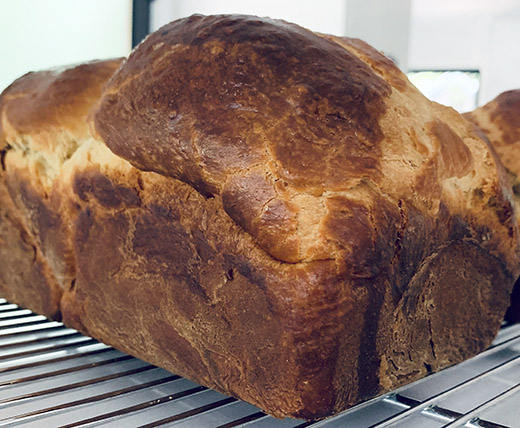
As a long-time fan of Martha Stewart, when she raves about a cookbook I pay attention. I noticed on Instagram that she had mentioned Baking at République: Masterful Techniques and Recipes by Margarita Manzke a couple of times. Specifically, she mentioned baking the brioche from this book and how delicious it is. Naturally, upon receiving a review copy of the book, I had to try the brioche. There are chapters devoted to some of the basic recipes that are used for several types of baked goods. Brioche is the first, and after the master recipe for brioche dough, there are several examples of how to use it including Brioche Fruit Tarts, Brioche Bread Pudding, Cardamom Sticky Buns, and more. Other chapters offer master recipes for Pain au Lait, Croissants, Kouign Amanns, Pate Sucree, Pate Brisee, and Pate a Choux. And, there are delightfully decadent recipes for using all of those types of dough. Following those chapters are ones for Muffins and Scones, Cookies and Bars, Cakes, Custards Puddings and Cream, and Basic Components. The Chocolate-Hazelnut Paris-Brest, Creme Brulee Cheesecake Tarts, and Mini-Chocolate Bundt Cakes all nearly distracted me from my intent to make the brioche first. But, I stayed on track. Now, in the days prior to tackling the brioche recipe, my trusty stand mixer of about 18 years had started acting a little funny. It didn’t seem to like operating at the lowest speed, but it was working at all the higher speeds. I was sure I could get through the dough making for this recipe by avoiding the lowest speed and working with the weirdness. Onward I went with letting a pound of butter warm a bit out of the refrigerator, cracking nine eggs, and getting the milk and locally-milled flour ready to go. And, the mixing got off to an ok start, but as soon as the dough became a bit heavy with the flour my mixer just stopped working at any speed. I was completely offended. How could it do this to me after all these years? How did it know I had all these ingredients ready to be used for a big batch of sticky, messy dough that really, really would be best made with a mixer? I didn’t seriously consider throwing out all the butter and eggs for even a moment. Instead, I started devising a plan for mixing all that butter in by hand without getting the butter too warm from my hands. Did I mention this was a big batch of sticky, messy dough? My kneading method involved using a bench scraper in one hand while turning and kneading with the other hand. After a few turns, I scooped it all into a bowl and refrigerated it for a bit before repeating. I wasn’t at all sure that this would turn into any kind of edible bread, but I was going to bake whatever became of it. It wasn’t particularly helpful to be reminded by others that we didn’t always have mixers. There must have been a time when this dough was made by hand. After everything was mixed, more or less, the dough was left to rise for 30 minutes before being turned and left for another 30 minutes. After the second rise, it was refrigerated overnight. I really believe the slow, cold rise overnight saved the dough. It was a smoother, lovelier dough the next day. To make the loaves, the dough was divided into four pieces, two dough balls were placed in each of two loaf pans, and they were left to rise again for about an hour and a half. After being brushed with an egg wash, the loaves were baked until deeply browned.
Amazingly, the result was outstanding. Tender, buttery loaves were delicious sliced and served with blueberry jam. I also made very thick-cut French toast inspired by the book. I still have the second loaf in the freezer awaiting an occasion for a savory French toast with slow-roasted tomatoes. My old mixer and I have since parted ways after learning that a repair was unlikely, and a newer model has taken its place in the kitchen. I have lots of recipes to try with it!
I am a member of the Amazon Affiliate Program. Tweet
Can we talk salsa? I practically need to count it as one of my food groups. I definitely can’t live without it, and I have several favorites. A new one just joined that list thanks to the book My Mexico City Kitchen: Recipes and Convictions: A Cookbook by Gabriela Camara of which I received a review copy. The book is about so much more than salsa or any other particular dish. The recipes and tips combine to explain Camara’s style of cooking, with the freshest and best-produced ingredients, inspired by Mexican traditional cuisine. The menus at her Mexico City and San Francisco restaurants vary due to availability of locally-grown and sustainably-produced ingredients in each location. In Mexico City, she offers a Tuna Tostada when sustainable tuna is available. But, in San Francisco, a locally-farmed trout is a better choice, and that’s what she uses there. She also explains her choice of cheeses. In Mexico, she’s able to source traditional cheeses that are made with high-quality milk from pastured cows. Those cheeses aren’t available in the US, and our Mexican-style cheeses tend to be from larger companies making compromises on the milk used. She recommends choosing similar cheeses that aren’t Mexican but are well-made rather than being strictly traditional. The recipes will mostly seem familiar, but upon closer inspection, Camara’s personal touch is revealed. The chapters include basics, breakfast, first courses, main dishes, desserts, and drinks. The simplest dishes are taken to new levels when each ingredient is carefully considered. For instance, the Tacos de Huevo are made with fresh-made corn tortillas, a soft-boiled egg, beans, rice, and a homemade salsa or two. And, the photos convey the deliciousness. Seafood figures heavily in the recipes, which I loved seeing, and its use in the soups got my full attention. There’s a spicy crab soup, a shrimp broth made with adobo sauce and whole shrimp and served with lots of garnishes, and an herb and chile inflected soup with fish meatballs. There’s even a Chiles en Nogada made with seafood as the filling rather than pork. The Mexican-style clams, mussels in chipotle sauce, and the signature red and green grilled red snapper all delighted me, but there are plenty of meat options as well. Those include chicken and pork stews; cochinita pibil; an al pastor approach that would work well for pork, chicken, or vegetables; and an actual meat meatball recipe in salsa de chile morita. Speaking of salsa, the one that got added to my favorites list is the Adobo de Chiles Rojos made with dried chiles, fresh tomatoes, onion, lots of garlic, and some citrus. It’s added to cooked fish and reduced before the mixture is spooned into masa sopes. And then I started adding it to just about everything else I cooked. I love playing with masa, and I’ve made lots of shapes from masa dough like tlacoyos, gorditas, and varioustortillas. So, I was excited to try the sopes which were similar in shape to gorditas. Masa harina was mixed with water to form the simple dough that was divided into ping pong ball size pieces before being shaped into rounds with a cupped top. The sopes were then fried in oil and left to drain. The salsa was made by reconstituting dried ancho, guajillo, and pasilla chiles. The softened chiles along with chiles de arbol, chopped fresh tomato, onion, lots of garlic, olive oil, orange juice, lime juice, achiote seeds, cumin, oregano, and salt were pureed in the blender. There’s a surprising amount of salt in this salsa at one and a half tablespoons, but this is the correct amount. The sopes are not seasoned at all. They are simple masa vehicles for all the flavor of the filling. So, the aggressive seasoning of the salsa is balanced. For this version of sopes, a firm-fleshed fish was to be cut into small cubes and cooked in oil. I used halibut. After the fish was cooked, the salsa was added and reduced a bit. The fish and sauce mixture was spooned into the sopes and topped with a crumbly, salty cheese and purslane leaves. Queso fresco would ordinarily be used, but ricotta salata is also suggested depending on what you can get that is better quality. I used a locally-made goat feta.
Little, crispy masa cakes will be addictive with just about any filing, but this adobo-sauced fish version was a big winner. I use a lot of purslane while I can get it at a local farm stand in the summer. So, I was thrilled to see it as a suggested topping. Cilantro or finely chopped lettuce would work well too. For the salsa, I’ll be doubling the recipe from now on and stocking my freezer with it. It was great in tacos, for dipping chips and vegetables, and especially on huevos rancheros. Next, a soup and a couple of the desserts are on my to-try list.
I am a member of the Amazon Affiliate Program. Tweet
I feel like I’ve said this before, but it bears repeating: It’s always worthwhile to read a cookbook all the way to the end. I tend to find fascinating tidbits in those last pages. When the final chapter is about sauces or toppings or stocks, there’s always something interesting there that makes me like the book even more than I already did from reading the main sections. That just happened once again with The Way to Eat Now: Modern Vegetarian Food by Alice Hart of which I received a review copy. This new book is a paperback release of what was titled Good Veg as a hardcover in 2016, and it’s full of great ideas for vegetarian dishes for any time of day. Along with the recipes and photos, there are also added ideas and variations sprinkled throughout the chapter introductions and recipe head notes. For example, something I can’t wait to try isn’t written as a recipe but was just mentioned in the Mornings chapter intro. It’s a suggestion to make savory French toast by adding garlic or paprika to the custard and serving it with roasted tomatoes or wilted spinach and goat cheese. Some of the dishes include dairy or eggs, and some are vegan, and substitutions are offered. There’s also acknowledgement of time and cost, and when a step may take too long or an ingredient might be too pricey other options are suggested. Several dishes have southeast Asian influences, and vegetarian “fish” sauce is listed among the ingredients. You’ll find the recipe for the sauce in that last chapter I was praising, and I was delighted to see it’s not too time-consuming to make. You’ll also find a recipe for Vegetarian Nuoc Cham, Pickled Sour Cherries, Sweet Pepper and Chile Jam, and a Thai-Style Roasted Chile Paste. That last one sent me backwards in the book to revisit the recipe for Brown Rice Bibimbap Bowls with Smoky Peppers where it’s used, and that made me happy to have read all the way to the end. Back at the front of the book, I got a bit distracted by the Chia Jams. I’d seen this method before of using chia seeds to thicken a jam rather than adding as much sugar as usual. When I saw it here, I finally gave it a try and loved chia-thickened peach jam with a little honey. I also tried the Shaved Beets with Sprouts, Kefir and Dukkah but made a couple of changes by using vegan yogurt for the dressing rather than kefir and mixing the beets with arugula instead of sprouts. I have the page marked for the Chubby Polenta Fries with Almond Za’atar Salt, and I know I’ll love the Roasted Pineapple, Coconut and Makrut Lime Sorbet. But, I want to tell you all about the Tiny Baked Potatoes with Spiced Chickpeas. New potatoes are available from our local farms right now, but they’ll be gone for the season soon. They were simply roasted whole with a little olive oil and salt and pepper. At the same time, canned chickpeas that had been rinsed, drained, and left on a towel to dry were roasted with cumin, nigella, hot smoked paprika, and salt. I love crispy, roasted chickpeas, but there was a twist here in that before they were done lemon zest was added for the last 10 minutes or so. It smelled amazing and added great flavor. A little honey was to be added with the lemon zest, but I skipped it. A sauce was made with sour cream and finely chopped green onion. When the potatoes were cooked through and tender and then allowed to cool a bit, I cut each in half. Each half was topped with some sauce, crispy chickpeas, more finely chopped green onion, and more nigella seeds.
These little potatoes would be great for a party. They’re just the right size to pick up with your fingers. The sauce works perfectly to keep the chickpeas in place on top of each potato, and the spices on the chickpeas give each bite a nice boost. There’s so much variety and so many ideas in this book, I suspect I’ll be spending a lot of time with it in the kitchen.
I am a member of the Amazon Affiliate Program. Tweet
That famous line from Michael Pollan, “Eat food, not too much, mostly plants” is as simple as nutrition and sustainability advice gets. And now, there’s a new cookbook to help put that advice into practice, and I recently received a review copy. Mostly Plants: 101 Delicious Flexitarian Recipes from the Pollan Family is the second book created by Michael Pollan’s three sisters and his mother, and it includes each of their styles of cooking. That means, some dishes are vegetarian or vegan, and some include meat but with a focus on the vegetables. He described the book as not “dourly anti-meat; rather it is ecstatically pro-plant.” There’s a nice introduction to each member of the family and her preferred way of eating before getting into the recipes that cover dishes from Meze and Salads to Burgers, Vegetable Mains, Seafood, Meat, Sides, and Sweets. Along the way, there are tips for making vegetarian recipes vegan, ideas for replacing meat with a vegetarian protein, and Food for Thought with nutrition information. Overall, these recipes feel like comfort food made fresher. The Mediterranean Crunch Salad has bright bell peppers, cucumbers, tomato, and herbs piled on endive and topped with crumbled feta and crispy, baked chickpeas. The soups all look so good, and I can’t wait to try the Udon Noodle Soup with Miso-Glazed Vegetables and Chicken. In the burgers chapter, you’ll mostly find veggie burgers, but there is a chicken and a tuna option. Among the vegetable mains, there are some pasta dishes that caught my eye like the Penne with Roasted Vegetables and Mozzarella and the Vegan Lentil and Roasted Tomato Pasta. I tried the Golden Roasted Quinoa and fell for the lovely texture. I have the page marked so I can soon try the Salmon Farro Bowl full of crunchy vegetables and Vietnamese flavors. And, the Pina Colada Crumble with pineapple, banana, and coconut is tempting me for dessert. As I was mulling over those pasta options, a few pages later I came upon the Meatless Meatballs with Quick Tomato Sauce and decided to serve them on zucchini noodles to make it very pro-plant. To begin the meatballs, Puy lentils were cooked with a bay leaf until tender. At the same time, onion, carrots, celery, and garlic were sauteed, tomato paste was added along with chopped mushrooms, and the mixture was cooked through. The vegetable mixture, the lentils, and rinsed and drained canned chickpeas along with oats, parsley, basil, and salt and pepper were pulsed in the food processor. That mixture was transferred to a mixing bowl, and beaten eggs and wheat germ were added. Bread crumbs and grated parmesan were supposed to be used, but I opted for some wheat germ instead. The meatballs were formed and placed on a baking sheet. I had drizzled the baking sheet with olive oil and I rolled each meatless ball through the oil to coat all sides before placing it on the sheet. The meatless balls baked for about 30 minutes while I spiralized some zucchini. The sauce was a quick simmer of canned crushed tomatoes, garlic, and red pepper flakes. I did serve the meatless balls with a little shredded parmesan and lots of basil.
This wasn’t my first attempt at meatless meatballs. Previous recipes have also involved mushrooms and lentils and usually some nuts. This was my favorite of any I’ve tried. The consistency was perfect. Past efforts ended in meatless balls that fell apart when served or didn’t maintain their shape while baking. These performed perfectly and had great flavor. There are a lot of great-looking ideas in this book, and it’s going to be easy to keep eating mostly plants.
I am a member of the Amazon Affiliate Program. Tweet
Back in 2010, the food truck trend was in full swing here in Austin, and it hasn’t stopped. That’s the year The Peached Tortilla truck appeared on the scene. I believe the first time I visited it was at a craft beer festival, and I remember the Asian flavors meet American and Tex-Mex street food vibe. Since then, some food trucks have transitioned into restaurants, others continue as trucks, and several have come and gone. The Peached Tortilla has evolved to include a restaurant right in my neighborhood as well as a location at the airport, a catering business, and an event space. And now, there’s a cookbook of which I received a review copy. The book includes classic and current dishes from the business as well as some of author and founder Eric Silverstein’s childhood favorites and some dishes inspired by his mother’s cooking. Silverstein had the unique experience of being born in Tokyo to his Chinese-American mother and Jewish-American father before the family moved to Atlanta, Georgia when he was 11. There’s a lot of varied inspiration for the recipes here. I’m always drawn to Laksa recipes, and the one here looks delicious with the homemade paste of chiles, herbs, and spices and the mix of shrimp stock, coconut milk, and fish sauce. Another favorite of mine is shrimp toast, and I’ll be turning back to the page with Mom’s Shrimp Toast served with Thai Chili Dipping Sauce. There are burgers with sauces and toppings, a hot dog, and even a tempura fish burger. But, the Asian Street Tacos chapter really grabbed my attention. The Banh Mi Taco and Pad Thai Taco make appearances as well as the Kimchi Queso and Roasted Cauliflower Taco. But, it was the Thai Shrimp Tostadas that called out to me first. Although in the book it is shrimp tostadas, the day I planned to make them scallops happened to be on sale and I couldn’t resist. I’ve made kimchi tacos before, but I hadn’t extended Asian flavors into tostada making. And, I love making tostadas. This one is built on a base of Thai slaw made with purple and green cabbage, julienned carrots, green onions, cilantro, and Thai Peanut Dressing. The scallops were tossed with more of the Thai Peanut Dressing before being sauteed, and I cut them into pieces after they were cooked. My preferred method for crisping tortillas for tostadas is to toast them under the broiler with just a brushing of oil and flipping them once browned on top. It’s quicker, easier, and uses a lot less oil than frying. The tostadas were built with a layer of slaw topped with chunks of scallops and garnished with cilantro leaves, chopped peanuts, and Sriracha.
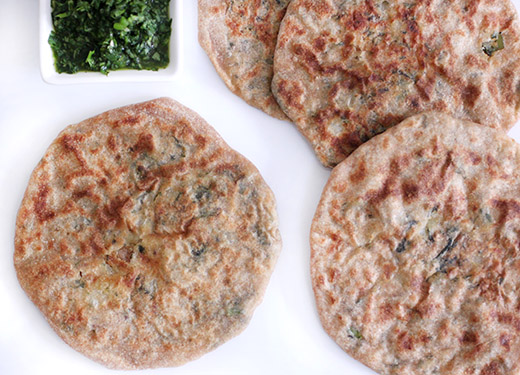
I had a little cookbook fling recently. I started cooking from Indian-ish: Recipes and Antics from a Modern American Family and couldn’t stop. I blame it on the cilantro chutney. I made a batch and got hooked on it. I wanted to pour it on everything at every meal. My only regret is that this happened just as my garden cilantro stopped producing in the heat of spring. This new book is from Priya Krishna, and I received a review copy. It’s a collection of her mother’s recipes that are mostly traditional Indian dishes recreated with other culinary influences here and there. There are roti pizzas, a tomato rice dish with cheddar cheese, and feta used in place of paneer. It’s Indian food the way the Krishna family came to make it in their home in Dallas, Texas. The dishes are mostly vegetarian with one short chapter that involves chicken and fish. And, let me just walk you through what I’ve already tried from the book. The Lima Bean and Basil Dip is a tasty and easy snack that’s perfect for cucumber slices or crackers or flatbread. Next, I had to try the Spinach and Feta Cooked like Saag Paneer. I used a mix of spinach and kale, and a mix of tofu and feta. The use of feta was inspired by a Krishna family trip to Greece, and it is a delicious twist. I’ll be returning to this recipe often. A few days later, I made the one and only chicken recipe in the book: Garlic-Ginger Chicken with Cilantro and Mint. The chicken was marinated in a lovely mix of garlic, ginger, mint, cilantro, oil, and lemon juice along with coriander, turmeric, red chile powder, and amchur. After cooking the chicken, I used it in roti tacos, as suggested in the book, with an avocado and tomato kachumber, or salad, and amazing cilantro chutney. This was how I became dependent on cilantro chutney. I even got inspired to make homemade roti although that recipe isn’t in the book. I just really enjoy making various flatbreads. The flavorful, marinated chicken with the fresh avocado salad and bright and spicy cilantro chutney became an ideal way to fill a roti taco. In fact, Kurt requested we have that meal every Sunday night. I should point out there are several Kachumber recipes in the book like Beet and Avocado Kachumber, Daikon Radish Kachumber, and Avocado Corn and Tomato Kachumber. I adapted the latter since I didn’t have corn on hand that day. The leftover roti I made became Roti Pizzas inspired by the book. I used different toppings than the ones listed, but loved the idea and the result. There are also several pages I’ve marked for more things I haven’t cooked just yet. Because I do so enjoy making flatbreads, the next recipe I tried was the Aloo (Potato) Parathas with, of course, more cilantro chutney. I was torn between making the Pesarattu (Lentil Pancakes) and the Aloo Parathas but decided on the Parathas since new potatoes had just come into season here. I brought some home from Boggy Creek Farm. The first step is to cook the potatoes and peel them once cooled. Next, the dough was made with whole wheat flour, water, a little oil, and salt. The dough was mixed and left to rest in the refrigerator. To make the filling, the peeled potatoes were mashed with red chile powder, crushed fennel seeds, clilantro, and salt, and I added cooked and chopped kale. There’s a tip in the head note about adding cheddar cheese, and that inspired me to make a different addition. I do add kale to everything. The filling was mixed until no lumps remained. The dough and filling were each divided into equal portions and rolled into balls. Working with one portion at a time, the dough was rolled into a round, and a potato filling ball was placed on top before pinching the dough up and around the ball of filling. The sealed dough pouch was turned over and then rolled out into a round. The formed parathas were cooked on a hot griddle with just a brushing of oil for a few minutes per side.
I remember when I first became aware of Maida Heatter. It was in the late 1990s, and a friend gave me her copy of Saveur magazine. She knew I was getting more and more interested in cooking, and she told me about some of the great stories in that issue of the magazine. It was a really fantastic issue. There were stories about New Orleans restaurants with recipes, and Thanksgiving leftovers recipes, and there was a story about Maida Heatter. I instantly became a huge fan and continue to be all these years later. It was her Polka Dot Cheesecake recipe in that article that fascinated me. I tried making it as soon as I had a chance, and it turned out perfectly. The instructions worked exactly as they should, and it was the most delightful thing I’d ever baked. That recipe also appears in the book Maida Heatter’s Cakes. And now, it appears in her latest book, Happiness Is Baking: Cakes, Pies, Tarts, Muffins, Brownies, Cookies: Favorite Desserts from the Queen of Cake, as well. I received a review copy of this new book that contains her classic recipes. In her introduction, she encourages the reader to treat this and all cookbooks like a textbook. She suggests you write notes on the pages to remember any little changes you should make next time from baking time and ingredients to the reason why you made the recipe. She writes: “In the future you will find that your own notes have added to the book and made it more valuable to you.” When I read that, I realized that’s why I started this food blog. I wanted to track what I was cooking, what changes I made to original recipes, and when and why I made each dish. Maida Heatter wants nothing more than for home bakers to enjoy succeeding at all their baking projects. Her instructions are always the best. This new book includes Everyday Cakes, Special Occasion Cakes, Cookies, and Pies Tarts Brownies Bars and More. There are multiple chocolate cakes and lemon cakes, and I’m convinced I should try every one of them. I just have to decide which to make first, The Best Damn Lemon Cake or the East 62nd Street Lemon Cake. The instructions for Mildred Knopf’s Orange Puff Cake have me very intrigued. To begin, egg whites are whisked with salt on a large platter. There’s a note that “this cake may seem like a lot of trouble, but, believe me, this is the sort of adventure in baking that makes a cook’s reputation.” How could you not try this recipe? The Bull’s Eye Cheesecake appears along with the Polka Dot. There’s Mississippi Mud Pie, Coffee Buttercrunch Pie, Key Lime Pie, the Pecan Squares Americana that I’ve made before, three versions of brownies, and more. First, I pre-heated the oven for chocolate chips cookies. I have a mental list of my favorite chocolate chip cookie recipes, and I suspected these Big Sur cookies would end up on it. They’re big, thin, crunchy cookies with oats and walnuts, and I always love a big cookie. Interestingly, the recipe includes a small amount of lemon juice. I’d never seen that in a chocolate chip cookie before. Making the cookie dough was completely straightforward with creaming of butter and sugar with vanilla and lemon juice. The sifted dry ingredients were added followed by the walnuts and chocolate chips. The dough was portioned into large mounds with lots of space on the cookie sheet and only four cookies per sheet. The dough mounds were flattened slightly with wet hands before baking.
I had hoped the lemon juice would be apparent in the finished cookies, but there wasn’t enough to taste it. I assume the acidity helped activate the baking soda. The oats, walnuts, chocolate, and cinnamon did contribute to excellent flavor and texture though. I’m glad I followed the recipe exactly the first time using it. Normally, I would be tempted to swap in pecans in place of walnuts, but the walnuts were delicious. And, yes, baking these cookies was definitely a source of happiness. Big Sur Chocolate Chip Cookies Recipe reprinted with publisher’s permission from Happiness Is Baking: Cakes, Pies, Tarts, Muffins, Brownies, Cookies: Favorite Desserts from the Queen of Cake. These California cookies are 6 inches in diameter — they are the largest homemade chocolate chip cookies I know (nothing succeeds like excess). They are crisp, crunchy, buttery, delicious. Too good. Irresistible. But because of their size, don’t make them for a fancy tea party. Do make them for a barbecue or a picnic, or for any casual affair. Makes 12 to 15 very large cookies 1 1⁄2 cups sifted unbleached all-purpose flour 1⁄2 teaspoon salt
1 teaspoon baking soda 1⁄2 teaspoon ground cinnamon 6 ounces (1 1⁄2 sticks) unsalted butter 1 1⁄2 teaspoons vanilla extract 1 teaspoon lemon juice 2/3 cup firmly packed light brown sugar 1/3 cup granulated sugar 2 large eggs 1⁄4 cup quick-cooking rolled oats 6 ounces (generous 1 1⁄2 cups) walnuts, chopped or broken into medium-size pieces 6 ounces (1 cup) semisweet chocolate morsels Adjust two racks to divide the oven into thirds and preheat oven to 350 degrees. Line cookie sheets with baking parchment or foil. Sift together the flour, salt, baking soda, and cinnamon and set aside. In the large bowl of an electric mixer, cream the butter. Add the vanilla and lemon juice and then both of the sugars and beat to mix. Beat in the eggs one at a time. On low speed, add the sifted dry ingredients and then the rolled oats, scraping the bowl as necessary with a rubber spatula and beating only until mixed. Remove from the mixer and stir in the nuts and morsels. Now work next to the sink or have a large bowl of water handy so you can wet your hands while shaping the cookies. Spread out a piece of wax paper or foil. Use a 1⁄4-cup measuring cup to measure the amount of dough for each cookie. Form 12 to 15 mounds of the dough and place them any which way on the wax paper or foil. Wet your hands with cold water, shake the water off, but do not dry your hands; pick up a mound of dough, roll it into a ball, flatten it to about 1⁄2-inch thickness, and place it on the lined sheets. Do not place more than 4 cookies on a 15 1⁄2 x 12-inch cookie sheet. These spread to gigantic proportions. Bake two sheets at a time for 16 to 18 minutes, reversing the sheets top to bottom and front to back as necessary to ensure even browning. (If you bake only one sheet at a time, bake it on the higher rack.) Bake until the cookies are well colored; they must not be too pale. Watch these carefully; before you know it, they might become too dark. When you remove them from the oven, let the cookies stand for about a minute, until they are firm enough to be moved. With a wide metal spatula, transfer them to racks to cool. If the racks are not raised at least 1⁄2 inch from the work surface, place them on a bowl or cake pan to allow more air to circulate underneath. When cool, wrap them with bottoms together, two to a package, in cellophane or wax paper or in plastic sandwich bags. If you do not plan to serve these soon, freeze them.
I am a member of the Amazon Affiliate Program. Tweet









 by Margarita Manzke a couple of times. Specifically, she mentioned baking the brioche from this book and how delicious it is. Naturally, upon receiving a review copy of the book, I had to try the brioche. There are chapters devoted to some of the basic recipes that are used for several types of baked goods. Brioche is the first, and after the master recipe for brioche dough, there are several examples of how to use it including Brioche Fruit Tarts, Brioche Bread Pudding, Cardamom Sticky Buns, and more. Other chapters offer master recipes for Pain au Lait, Croissants, Kouign Amanns, Pate Sucree, Pate Brisee, and Pate a Choux. And, there are delightfully decadent recipes for using all of those types of dough. Following those chapters are ones for Muffins and Scones, Cookies and Bars, Cakes, Custards Puddings and Cream, and Basic Components. The Chocolate-Hazelnut Paris-Brest, Creme Brulee Cheesecake Tarts, and Mini-Chocolate Bundt Cakes all nearly distracted me from my intent to make the brioche first. But, I stayed on track. Now, in the days prior to tackling the brioche recipe, my trusty stand mixer of about 18 years had started acting a little funny. It didn’t seem to like operating at the lowest speed, but it was working at all the higher speeds. I was sure I could get through the dough making for this recipe by avoiding the lowest speed and working with the weirdness. Onward I went with letting a pound of butter warm a bit out of the refrigerator, cracking nine eggs, and getting the milk and locally-milled flour ready to go. And, the mixing got off to an ok start, but as soon as the dough became a bit heavy with the flour my mixer just stopped working at any speed. I was completely offended. How could it do this to me after all these years? How did it know I had all these ingredients ready to be used for a big batch of sticky, messy dough that really, really would be best made with a mixer? I didn’t seriously consider throwing out all the butter and eggs for even a moment. Instead, I started devising a plan for mixing all that butter in by hand without getting the butter too warm from my hands. Did I mention this was a big batch of sticky, messy dough? My kneading method involved using a bench scraper in one hand while turning and kneading with the other hand. After a few turns, I scooped it all into a bowl and refrigerated it for a bit before repeating. I wasn’t at all sure that this would turn into any kind of edible bread, but I was going to bake whatever became of it.



 by Gabriela Camara of which I received a review copy. The book is about so much more than salsa or any other particular dish. The recipes and tips combine to explain Camara’s style of cooking, with the freshest and best-produced ingredients, inspired by Mexican traditional cuisine. The menus at her Mexico City and San Francisco restaurants vary due to availability of locally-grown and sustainably-produced ingredients in each location. In Mexico City, she offers a Tuna Tostada when sustainable tuna is available. But, in San Francisco, a locally-farmed trout is a better choice, and that’s what she uses there. She also explains her choice of cheeses. In Mexico, she’s able to source traditional cheeses that are made with high-quality milk from pastured cows. Those cheeses aren’t available in the US, and our Mexican-style cheeses tend to be from larger companies making compromises on the milk used. She recommends choosing similar cheeses that aren’t Mexican but are well-made rather than being strictly traditional. The recipes will mostly seem familiar, but upon closer inspection, Camara’s personal touch is revealed. The chapters include basics, breakfast, first courses, main dishes, desserts, and drinks. The simplest dishes are taken to new levels when each ingredient is carefully considered. For instance, the Tacos de Huevo are made with fresh-made corn tortillas, a soft-boiled egg, beans, rice, and a homemade salsa or two. And, the photos convey the deliciousness. Seafood figures heavily in the recipes, which I loved seeing, and its use in the soups got my full attention. There’s a spicy crab soup, a shrimp broth made with adobo sauce and whole shrimp and served with lots of garnishes, and an herb and chile inflected soup with fish meatballs. There’s even a Chiles en Nogada made with seafood as the filling rather than pork. The Mexican-style clams, mussels in chipotle sauce, and the signature red and green grilled red snapper all delighted me, but there are plenty of meat options as well. Those include chicken and pork stews; cochinita pibil; an al pastor approach that would work well for pork, chicken, or vegetables; and an actual meat meatball recipe in salsa de chile morita. Speaking of salsa, the one that got added to my favorites list is the Adobo de Chiles Rojos made with dried chiles, fresh tomatoes, onion, lots of garlic, and some citrus. It’s added to cooked fish and reduced before the mixture is spooned into masa sopes. And then I started adding it to just about everything else I cooked.


 by Alice Hart of which I received a review copy. This new book is a paperback release of what was titled Good Veg as a hardcover in 2016, and it’s full of great ideas for vegetarian dishes for any time of day. Along with the recipes and photos, there are also added ideas and variations sprinkled throughout the chapter introductions and recipe head notes. For example, something I can’t wait to try isn’t written as a recipe but was just mentioned in the Mornings chapter intro. It’s a suggestion to make savory French toast by adding garlic or paprika to the custard and serving it with roasted tomatoes or wilted spinach and goat cheese. Some of the dishes include dairy or eggs, and some are vegan, and substitutions are offered. There’s also acknowledgement of time and cost, and when a step may take too long or an ingredient might be too pricey other options are suggested. Several dishes have southeast Asian influences, and vegetarian “fish” sauce is listed among the ingredients. You’ll find the recipe for the sauce in that last chapter I was praising, and I was delighted to see it’s not too time-consuming to make. You’ll also find a recipe for Vegetarian Nuoc Cham, Pickled Sour Cherries, Sweet Pepper and Chile Jam, and a Thai-Style Roasted Chile Paste. That last one sent me backwards in the book to revisit the recipe for Brown Rice Bibimbap Bowls with Smoky Peppers where it’s used, and that made me happy to have read all the way to the end. Back at the front of the book, I got a bit distracted by the Chia Jams. I’d seen this method before of using chia seeds to thicken a jam rather than adding as much sugar as usual. When I saw it here, I finally gave it a try and loved chia-thickened peach jam with a little honey. I also tried the


 has evolved to include a restaurant right in my neighborhood as well as a location at the airport, a catering business, and an event space. And now, there’s a cookbook of which I received a review copy. The book includes classic and current dishes from the business as well as some of author and founder Eric Silverstein’s childhood favorites and some dishes inspired by his mother’s cooking. Silverstein had the unique experience of being born in Tokyo to his Chinese-American mother and Jewish-American father before the family moved to Atlanta, Georgia when he was 11. There’s a lot of varied inspiration for the recipes here. I’m always drawn to Laksa recipes, and the one here looks delicious with the homemade paste of chiles, herbs, and spices and the mix of shrimp stock, coconut milk, and fish sauce. Another favorite of mine is shrimp toast, and I’ll be turning back to the page with Mom’s Shrimp Toast served with Thai Chili Dipping Sauce. There are burgers with sauces and toppings, a hot dog, and even a tempura fish burger. But, the Asian Street Tacos chapter really grabbed my attention. The Banh Mi Taco and Pad Thai Taco make appearances as well as the Kimchi Queso and Roasted Cauliflower Taco. But, it was the Thai Shrimp Tostadas that called out to me first.


 and couldn’t stop. I blame it on the cilantro chutney. I made a batch and got hooked on it. I wanted to pour it on everything at every meal. My only regret is that this happened just as my garden cilantro stopped producing in the heat of spring. This new book is from Priya Krishna, and I received a review copy. It’s a collection of her mother’s recipes that are mostly traditional Indian dishes recreated with other culinary influences here and there. There are roti pizzas, a tomato rice dish with cheddar cheese, and feta used in place of paneer. It’s Indian food the way the Krishna family came to make it in their home in Dallas, Texas. The dishes are mostly vegetarian with one short chapter that involves chicken and fish. And, let me just walk you through what I’ve already tried from the book. The


 , as well. I received a review copy of this new book that contains her classic recipes. In her introduction, she encourages the reader to treat this and all cookbooks like a textbook. She suggests you write notes on the pages to remember any little changes you should make next time from baking time and ingredients to the reason why you made the recipe. She writes: “In the future you will find that your own notes have added to the book and made it more valuable to you.” When I read that, I realized that’s why I started this food blog. I wanted to track what I was cooking, what changes I made to original recipes, and when and why I made each dish. Maida Heatter wants nothing more than for home bakers to enjoy succeeding at all their baking projects. Her instructions are always the best. This new book includes Everyday Cakes, Special Occasion Cakes, Cookies, and Pies Tarts Brownies Bars and More. There are multiple chocolate cakes and lemon cakes, and I’m convinced I should try every one of them. I just have to decide which to make first, The Best Damn Lemon Cake or the East 62nd Street Lemon Cake. The instructions for Mildred Knopf’s Orange Puff Cake have me very intrigued. To begin, egg whites are whisked with salt on a large platter. There’s a note that “this cake may seem like a lot of trouble, but, believe me, this is the sort of adventure in baking that makes a cook’s reputation.” How could you not try this recipe? The Bull’s Eye Cheesecake appears along with the Polka Dot. There’s Mississippi Mud Pie, Coffee Buttercrunch Pie, Key Lime Pie, the Pecan Squares Americana that I’ve made before, three versions of brownies, and more.

