Thursday, October 6, 2022

Salt-and-Pepper Cod with Turmeric Noodles

When I flip through a new cookbook and just know the dishes shown are going to taste great, it’s a sure sign I’ll be spending a lot of time with that book. That’s what happened with the review copy I received of The Cook You Want to Be by Andy Baraghani. His food is self-described as maybe “a touch too lemony;” he claims to use “a ridiculous amount of herbs;” and he prefers “vegetables to meat.” So, it’s pretty much perfect to my taste. Every dish seems to include some kind of special touch that boosts the flavor, and there’s a chapter for just that purpose. The Mighty Little Recipes chapter includes sauces and toppings that add that extra something. My first stop in the book was to try the Creamy Nuoc Cham from this chapter. Pureed cashews give it the creamy texture, and I used it as a dipping sauce for roasted shrimp. So many things caught my eye as I read through the book. All of the egg recipes did, especially the Crispy Chickpea Bowls with Lemony Yogurt and Chile-Stained Fried Eggs. I stopped twice in the Snacks to Share chapter to try the Broken Feta with Sizzled Mint and Walnuts and the Nuts to Drink With. The mix of lemongrass, garlic, red pepper flakes, and honey made those nuts particularly addictive. The Salads chapter delivers with Parmesan-Kale Chip Salad with Tangy Mustard Dressing and Juicy Tomatoes with Italian Chile Crisp among several others. The Vegetables chapter shows that creamy nuoc cham served with Charred Brussels Sprouts as well as Roasted Carrots with Hot Green Tahini, and now I can’t wait for those vegetables to come into season. I could live in the Grains chapter and can’t wait to try the Fregola with Buttery Clams and Yuzu Kosho. I had lots of local zucchini on hand, so I made the Farro with Melty Zucchini and Sumac. The Castelvetrano olives, red wine vinegar, and sumac made it delicious. There are also meat recipes and a slim chapter for sweets. But, next, I turned to the Salt-and-Pepper Cod with Turmeric Noodles. 

The dish is an adaptation of cha ca la vong but with an addition of butter in the noodles. Here, the nuoc cham with fresh chiles, garlic, fish sauce, and lime juice is not made creamy. It’s a runny sauce to drizzle over the fish and noodles. Grated ginger and garlic were coated on pieces salt-and-pepper-seasoned cod before the fish was seared in a hot pan. Dried vermicelli noodles were cooked and drained and then tossed in melted butter with ground turmeric. To serve, the noodles formed a bed for pieces of cod that were topped with lots of chopped herbs and green onion. Dill is traditional here but I used a mix of herbs. More herbs on the side are fun to add to each bite along with the sauce. 

Like all the recipes in this book, this one was uncomplicated but flavor-forward. It’s easy enough to be on regular rotation, but pretty enough to impress. And, that’s exactly the point of these dishes. As the author says, they should impress “not just your friends but yourself!” And, they will.

I am a member of the Amazon Affiliate Program. 

Monday, August 22, 2022

Carrot and Saffron Socca

I’m in mourning. That’s the only way to describe it. I received a note in the mail informing me that Martha Stewart Living magazine will no longer be published. It was a shock because no announcement had been made in the magazine; I hadn’t seen anything about it on social media; and Martha did not call me personally to discuss the matter. How has this happened? I subscribed for at least 23 years and maybe longer. I’ve learned so many things from Martha’s tv shows, books, and especially the magazine that I read every month. Trust me, the jokes about Martha are not lost on me, but I’m a fan and have a huge appreciation for her expertise and ability to teach. I have a special file system just for pages I’ve cut from the magazine and kept over all the years of subscribing, and now nothing more will be added to it. I guess I have to try to move on. On the bright side, a lot of people have worked with Martha over the years, and they will continue to share what they learned from her. For instance, Jess Damuck worked with Martha in various roles including in the test kitchen of the Martha Stewart Living tv show, and her book Salad Freak is clearly influenced by this experience. I read my review copy with delight to learn of how Damuck made lunches for Martha by “preparing each component with more focus and attention that I even knew I had in me.” She became enamored with salads for freshness, flavor, and composition. The recipes are organized by season, and the photos display all the lovely colors and textures of each dish. Some are hearty salads as meals in themselves and some are lighter. There are salads with fruits and fruit-only salads. I’ll be turning back to the Winter chapter for all the uses of citrus, but there’s also a Caesar Salad Pizza in that chapter that I’m sure to try before the season arrives. In the Spring chapter, you’ll find the Martha’s Mango and Mozzarella with Young Lettuces salad that I want to try and not just because of the story about Martha in the head note. I made the Simple Egg Salad with Lots of Dill but made it a little less simple with some added pickled jalapeno and green onion. There’s an Ode to the Scuttlebutt salad that I loved seeing because it’s based on a sandwich from the former Saltie restaurant. I have the book of that name and made that sandwich for this blog once upon a time. And, there are lots of terrific salads with tomatoes for summer like the BLT Potato Salad and Snoop’s BBQ Chicken Cobb Salad with All the Good Stuff. Damuck mentions serving cut fruit and vegetables on ice and how refreshing that is in the summer. She also uses a melon baller in more than one recipe. I felt so validated by that. I love using a melon baller. So, of course, I made the Balled Melon as a Snack and served it on ice. When fall arrives, I’ll be making the Shredded Kale and Brussels Sprouts with Roasted Squash and Pomegranate salad and the Crispy Calamari with Carrots, Frisee, and Ginger salad. For today, I want to tell you more about the Carrot and Saffron Socca. 

Saffron was steeped in warm water and then was mixed with chickpea flour and olive oil to make the socca batter. A cast iron skillet was warmed in the oven as it pre-heated. The warm skillet was then placed on top of the stove, oil was added, and sliced scallions were cooked before the socca batter was added. The skillet went back into the oven for 10 minutes before the broiler was turned on for a few minutes to brown the top of the socca. Meanwhile, I had some local carrots and daikon radish that I sliced on a mandoline. The slices were crisped in ice water before being drained and dried. The recipe suggests making pesto from the carrot tops, but mine didn’t come with tops. I used basil and parsley from my herb garden instead. The cooked socca was topped with the shaved vegetables, dollops of pesto, crumbles of local feta, sunflower seeds instead of sliced almonds in my case, and crushed red chiles. 

I loved everything about this dish. The saffron in the socca was divine and so was topping socca with a crisp, fresh salad. The ice water bath gave the shaved vegetables nice shapes and crunchy texture. And, the feta and pesto brought richness and great flavor. Maybe I’ll find a way to go on without Living magazine in my life--but only if I keep coming across books like this full of really good ideas.

I am a member of the Amazon Affiliate Program. 

Tuesday, July 12, 2022

Soy Sauce Fried Chicken with Jalapenos

Food ties together so many parts of our lives. Eric Kim learned from working as a food writer that “we can never really run away from who we are.” He moved back home to Atlanta at the start of the pandemic to cook with his mother and work on the book Korean American and found a bit of his identity in the process. I recently received a review copy. Transcribing his mother’s recipes and transforming them into his own made clear his understanding of being an American who is also Korean. The recipes are specific dishes fondly remembered from his upbringing with some of his own takes. There are Korean flavors with American ingredients and vice versa and a mix of the two. It’s a personal look at life through food and how his family prepared these dishes with lots of endearing stories throughout. A great example of how Korean and American concepts collide is the Gochugaru Shrimp and Roasted Seaweed Grits. The creamy, buttered grits are flavored with crushed gim, which is roasted seaweed, and sesame oil while the shrimp are bathed in lots of garlic, gochugaru, fish sauce, and lemon juice. The richness of the butter brings all these flavors together magically. I also tried the Roasted Seaweek Sour Cream Dip that I made with skyr from a local producer, and I have the page marked for Crispy Yangnyeom Chickpeas with Caramelized Honey. Of course, there are multiple variations of kimchi and recipes that incorporate kimchi like the cold noodle dish Kimchi Bibimguksu with Grape Tomatoes, Caramelized-Kimchi Baked Potatoes, and Kimchi Sandwiches on Milk Bread. There are some recipes I look forward to making my own. I’d love to try some meatless fillings for Kimbap, but two options are included with Spam and Perilla and Cheeseburger. And, I want to try Sheet-Pam Bibimbap with all sorts of vegetables. There are fish, chicken, and beef dishes; stews; vegetable recipes honoring Kim’s mother’s garden; and a chapter of Feasts. The chapters are rounded out with one for sweets that includes a Dalgona Butterscotch Sauce for ice cream that I have to try. It was the Soy Sauce Fried Chicken, though, that I turned to next. 

This recipe is from Kim’s Aunt Georgia, and it’s the crispiest chicken ever. The pieces are coated in potato starch and fried twice before being tossed in a spicy, soy sauce glaze. I've fried things all sorts of ways such as in a simple flour coating, in a three-step breaded coating, in nut crusts, etc. But, this was my introduction to using potato starch. It really does make an incredibly crunchy exterior. I used thighs, legs, and lots of wings from Shirttail Creek Farm. The sauce was a mix of oil, sliced garlic, sliced jalapenos, brown sugar, and soy sauce. It was warmed until bubbling in a skillet, and the twice-fried chicken was turned in it before plating. An important accompaniment is the Chicken Radishes. They are simply pickled radishes in distilled vinegar that go perfectly with the rich, fried chicken, and I luckily had some local radishes to use the day I made them. 

Bright, acidic radishes with the crunchiest, spicy chicken was a fantastic combination. I highly recommend the duo. It can’t be easy for immigrants like Kim’s parents to navigate unfamiliar ingredients in attempting to make the kind of food they know and love. But, this book shows the evolution of just that and how new dishes came to be. We’re lucky to get to share in their inventiveness. 

Aunt Georgia’s Soy Sauce Fried Chicken with Jalapeños 
Recipe reprinted with publisher’s permission from Korean American. 

My Aunt Georgia’s fried chicken is unmatched. I love how simple her recipe is, and within its simplicity—the careful combination of garlic, jalapeños, brown sugar, and soy sauce—lies great complexity. Her chicken stays crunchy for hours, thanks to the potato starch coating and the double fry, not to mention the savory, spicy glaze that candies the outsides. For balance, be sure to have this with the Somaek and the Chicken Radishes. 

1 whole chicken (3 to 3½ pounds), cut into 10 serving pieces 
Kosher salt and freshly ground black pepper 
2 cups potato starch 
Vegetable oil 
7 large garlic cloves, thinly sliced 
3 large jalapeños, thinly sliced 
1/4 cup packed dark brown sugar 
1/4 cup soy sauce 

SERVES 6 TO 8 

1. In a large bowl or resealable plastic bag, add the chicken pieces and season with salt and pepper. Add 1 cup of the potato starch and toss to coat each piece. Remove the chicken pieces and repeat. Add the pieces to the bowl or bag, sprinkle in the remaining 1 cup potato starch and toss to coat each piece again. Set aside on a plate until the starch on the chicken begins to look wet, about 15 minutes. 
2. Pour 2 inches oil (enough to cover the chicken pieces while frying) into a large Dutch oven. Heat over medium-high heat to 350°F. 
3. Line a plate with paper towels. Working in batches of a few pieces at a time, add the chicken to the hot oil and fry until lightly golden, about 4 minutes per batch. Transfer the fried chicken to the paper towels. Then, fry these same pieces a second time until golden brown, about 8 minutes per batch. Set these twice-fried chicken pieces aside on a wire rack until you’ve double-fried all of the chicken. 
4. In a medium skillet, combine ½ cup vegetable oil, the garlic, 2 of the jalapeños, the brown sugar, and soy sauce and set over medium-high heat until it bubbles up. Add a few pieces of the fried chicken to the sauce and use tongs to quickly turn them over in the glaze just until coated. Remove and transfer to a serving platter. Repeat with the remaining chicken. 
5. Garnish the fried chicken with the remaining jalapeño slices and serve immediately or at room temperature, when the soy sauce glaze on the outside will be at its crunchiest. 

I am a member of the Amazon Affiliate Program. 

Monday, June 6, 2022

Crispy Fonio Cakes with Hearts of Palm, Scallions, and Old Bay


In 2017, Joshua McFadden’s Six Seasons became a favorite of mine. I live for the brined and roasted nuts from that book and make that recipe with every kind of nut on regular rotation. I grab the book for seasonal inspiration for every vegetable too. So, I knew I was going to enjoy cooking from his new book, Grains for Every Season, of which I received a review copy. He explains in the introduction that this book is not intended as an encyclopedia of all grains. Rather, it’s an exploration of the grains he cooks with often. The chapters are titled by type of grain, and each starts with specific info about the grain, cooking times, and nutritional details. I read through the book, then immediately started jumping from one chapter to another trying various dishes. And, I have several pages marked with more things to try. There are simple things like the five different seasoning suggestions for popcorn, and there are more time-consuming recipes like the Whole Wheat and Ricotta Cavatelli. For the cavatelli, a particular machine is suggested, Elisa’s Cavatelli Maker from Fante’s, and I had to stop everything to search for it online. Then, I got distracted by the Blonde Blondies because apparently, blonde chocolate, also known as caramelized white chocolate, has become a thing you can buy rather than make yourself and no one told me. Next, I was fascinated to learn that McFadden previously worked at Franny’s in Brooklyn before it closed, and the Franny’s cookbook is another favorite of mine. For years, I’ve been meaning to circle back to the Franny’s book for the clam pizza. It’s a little involved, but I still want to give it a go. In this book, that very clam pizza is reimagined as a slab pie with a whole wheat crust. It has white wine and cream sauce with lots of shucked clams. There are several other pizza topping ideas too. In the wheat chapter alone, there are tortillas, pitas, English muffins, and even whole wheat angel food cake. Spelt flour is used for a Savory Morning Bun, freekah appears in a Seafood Chowder with Potaotes and Corn, and farro is made like risotto in the style of cacio e pepe. Clearly, I’m finding a lot to like in this book. Here’s what I’ve made so far: Tabbouleh for Every Season; Super-Crisp Flatbread That Tastes Like Cheez-Its (only better I say); Wild Rice Salad with Roasted Beets, Cucumber, and Dill; and Snack Bars with Quinoa, Mango, Nuts, and Coconut. And, I have to tell you more about the Crispy Fonio Cakes. 

This recipe is from the Millet chapter, and millet always used to be easy enough to find at the grocery store. Things happen these days. Some days supply seems normal, other days things I depend on finding just aren’t available. So it was with millet. But, fonio was available, and it’s a great substitute for millet. Also, the recipe called for shrimp, but I opted to go plant-based and used chopped hearts of palm instead. The cooked fonio was mixed with the chopped hearts of palm, green onions, Cajun seasoning, lemon zest, yogurt, and flour and the mixture was formed into fritters for frying. The recipe as written in the book appears below. To serve, there's a list of optional sauces, and all the recipes for those sauces are at the back of the book. I chose the Turmeric Mayo made with mayonnaise, Dijon mustard, ground turmeric, lemon juice, onion powder, and salt. 

Despite the liberties I took with the ingredients, these crispy cakes were delicious, and the turmeric mayo is something I’ll make again and again for lots of other uses too. Often, there are whole chapters in cookbooks that I never use. For instance, if a chapter is devoted to beef dishes, I will probably never cook from it. But, every chapter in this book is of keen interest to me. All the grains and all the ways they’re used will keep me busy in the kitchen with this book. 

Crispy Millet Cakes with Shrimp, Scallions, and Old Bay
Excerpted with permission from Grains for Every Season by Joshua McFadden (Artisan Books). Copyright © 2022. 

These tasty, golden-crusted patties are a brilliant showcase for millet. The grain’s neutral flavor lets the mild shrimp shine and nicely absorbs the ever-so-spicy Old Bay flavors. Millet’s texture is tender but toothy, which makes the patties substantial enough to serve on a bun as a seafood sandwich with a slice of tomato and some crispy iceberg lettuce or with an egg on top for breakfast. And millet is gluten-free, so if you use millet flour as the binder, you’re good. 

Serves 4 to 6 

1 cup (200 g) uncooked millet 
Kosher salt 
4 garlic cloves, smashed and peeled 
1 pound (450 g) shrimp, preferably wild-caught, peeled and deveined 
1 bunch scallions (about 6), thinly sliced 
2 tablespoons Old Bay seasoning 
Finely grated zest of 1 lemon 
2 large eggs, beaten 
2 tablespoons plain whole-milk or low-fat yogurt 
1 cup (120 g) millet flour, barley flour, or brown rice flour (or any wheat flour, if you are okay with gluten) 
Vegetable or extra-virgin olive oil, for frying 
Lemon wedges, for squeezing 

Put the millet in a medium saucepan and add water to cover by 3 inches (7.5 cm), 1 tablespoon salt, and the garlic. Bring to a boil, cover, reduce to a simmer, and cook until very tender and no longer chalky, about 20 minutes. Drain the millet and garlic, shaking to remove excess water. Let sit for a few minutes, then spread it onto a baking sheet and let dry, raking through the grains a few times for even drying. 

Smash the garlic with a fork, but leave in the mix. Cut the shrimp into small pieces, so that they distribute well in the fritter mix, but large enough that they remain succulent. Cut “large” shrimp into 10 pieces. Transfer the millet to a bowl. Add the shrimp, scallions, Old Bay, and lemon zest. Toss to mix. Whisk together the eggs and yogurt in a small bowl and fold into the millet mixture. Let sit for a couple of minutes, then fold in half the flour—add only enough to make a shapeable batter. To test, shape about 1/4 cup (60 ml) of batter into a little puck. If it holds together, you’re good. If it’s too sloppy to hold together, stir in a bit more flour and repeat the test. 

To cook, arrange a double layer of paper towels on a tray. To shallow-fry, pour about 1/4 inch (6 mm) of oil into a large heavy skillet. To deep-fry, pour 3 inches (7.5 cm) of oil into a deep pot (be sure the pot is deep enough that the oil can’t bubble up and overflow). Heat the oil to 335°F (168°C). Add a few patties and fry until deep golden brown and fully cooked inside (including the shrimp), about 4 minutes on each side, depending on the size of your patties. (Don’t overcrowd the pan, and wait a few seconds before adding more patties so the oil temperature doesn’t dip.) Remove with a slotted spoon and drain on the paper towels; cook the remaining patties. 

Serve hot, with lemon wedges and the condiment/sauce of your choice.

I am a member of the Amazon Affiliate Program. 

Thursday, April 21, 2022

Syrian-Style Flatbreads

Savoir vivre
, I think, sums up the lure of French style. It’s defined near the beginning of the book Work Food: Paris of which I received a review copy. It means “having an intelligent approach to enjoying life, greeting each situation with refinement and poise.” The reader is encouraged to “embody this attention to detail” when preparing the dishes in the book for results that are emblematic of Parisian cuisine. That sounds almost strict, but the stories throughout the book actually showcase a very down-to-earth, welcoming style of entertaining and cooking at home. But, the cooking described is done with care and with specific ingredients suited to the time of year. One very casual entertaining option mentioned is the apero dinatoire which involves an offering of charcuterie, cheeses, simple dishes either purchased or quickly made like slow-roasted cherry tomatoes, breads, etc. The classic French dishes and anecdotes with the recipes are splendid. There’s a spinach tart inspired by a grandmother’s recipe made after a trip to a street market for the freshest spinach. Herb-Poached Fish with Beurre Blanc Sauce and pickled shallots is a recipe shared from mother to daughter with coaching via video call. You’ll find Coq au Vin, Steak Frites, and Quiche Lorraine among the well-known French favorites. There are also descriptions of French breads, wines, and cheeses to keep in mind. In the sweets chapter, I was enchanted by the Parisian Black and White Cookies and had to try them. Shortbread dough is made in both vanilla and chocolate. Then, two logs are formed: one with chocolate dough in the center and vanilla wrapped around and a second made the opposite way. Sadly, my dough turned out a bit dry, and I blame the flour that sometimes needs more moisture than it should. I wasn’t happy with the look of my cookies, but the taste was delicious. The Creme Brulee, Ile Flotantes, and Crispy Almond Cookies beckon as well. But, what repeatedly caught my attention as I read through the book were the dishes that aren’t traditionally French. The Tunisian Salad with preserved lemon and harissa, the West African Rice with Fish and Vegetables with chile-marinated and panfried fish, and the Syrian-Style Flatbreads added some interesting flavor twists to the collected recipes here. It was the photo of the flatbread that inspired me to try it. 

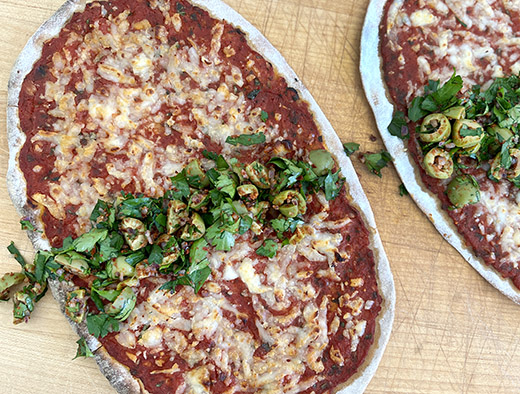
I’ve read a little about lahmajun, or Syrian flatbread, before. The crust is so thin. In the book, it’s topped with spicy ground lamb. I went a different route and topped mine with grated halloumi, but I used the sauce as written. The dough was just flour, water, and salt. After mixing, it was set aside while making the sauce. The sauce was a mix of grated tomato, minced garlic, minced onion, parsley, cayenne, and cumin. The dough was divided, rolled into ovals that were placed on parchment paper, topped with sauce and grated cheese, then transferred to a pre-heated baking sheet, and placed in a hot oven just until the edges began to brown. The dough should remain foldable and not become crisp throughout. A bright, fresh topping was made from parsley leaves, minced onion, Aleppo pepper, and I added chopped olives. That mixture was spooned on top of the flatbreads before serving. 

What I learned about this type of flatbread from this recipe is that you should roll it up and eat it like a burrito. That was a fabulous way to enjoy it. Bits of the edges of crust were crunchy, but the center was tender enough to roll. There was a hit of spice from the Aleppo pepper and freshness from the parsley. Now, I just need to experience this while actually in Paris.

I am a member of the Amazon Affiliate Program. 

Tuesday, February 22, 2022

Mashed Chickpeas with Turmeric

I don’t remember exactly when I became obsessed with cookbooks. But, I do recall that in the early days, I read about Judith Jones. I learned how she was the editor who brought Mastering the Art of French Cooking into being. She worked with so many cooking legends from Julia Child to Claudia Roden, Madhur Jaffrey, Edna Lewis, Irene Kuo, Marcella Hazan, Marion Cunningham, and on and on. I started collecting books by each of them. It’s no surprise that I was delighted to read the latest by Claudia Roden. This new book shares her favorite dishes from several seaports and cities around the Mediterranean where she has spent a career reporting on the cuisines. I received a review copy of Claudia Roden's Mediterranean: Treasured Recipes from a Lifetime of Travel, and in it she tells of fond memories of places she lived or visited and the recipes from those places that are her favorites and ones she prepares for family and friends. The photos show the food, of course, but also the idyllic places mentioned. A quote by Joseph Pla at the beginning of the book reads: “Cooking is the landscape in a saucepan.” That sums it up. The recipes include everything you need to plan a simple meal for entertaining: Appetizers, Soups, Salads, Vegetable sides, With grain, Seafood, Meat and poultry, and Desserts. The first recipe in the book sent me on my way to make some focaccia that’s perfect with the dips and spreads for appetizers. Also, I made the Green Olive, Walnut, and Pomegranate Salad right away. The story behind the Sweet-and-Sour Peperonata sounds like a book of its own. It’s about a visit to Palermo and a dinner in an aristocrat’s palazzo. That’s soon followed by a description of farmer’s market shopping in Provence. I’m looking forward to spring shopping at our local farm stands when I can gather everything for the Lemony Roast Potatoes with Cherry Tomatoes and Garlic. There are couscous, polenta, barley, rice and pasta dishes. One of the simplest, Malloreddus al Caprino Fresco, from Sardinia has me intrigued. It involves just pasta, fresh goat cheese, lemon and orange zest, and saffron. There’s even a simplified b’stilla made with chicken and topped with puff pastry. But, the desserts might the simplest of all. The no-churn, frozen Parfait Mocha Praline topped with a chopped hazelnut brittle looks delicious and easy to execute. Before I try that, I have to tell you about the Mashed Chickpeas with Turmeric. 

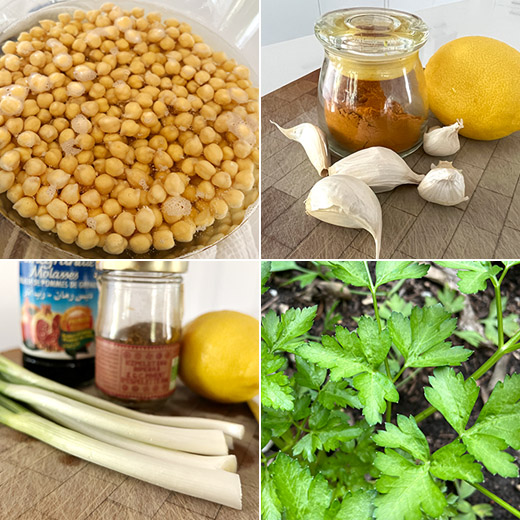
Chickpeas with turmeric comes from Tunisia, but the added toppings are up to you to pick and choose from several Mediterranean options. The chickpeas were soaked overnight before being drained and then placed in a large saucepan with lots of fresh water and some baking soda to help them soften. Peeled garlic cloves and ground turmeric were added, and the chickpeas simmered until tender. The goal was for the liquid to reduce to a small bit of thick sauce while the chickpeas cooked. A few whole chickpeas were kept aside for garnish before the rest with the sauce was transferred to a food processor. Olive oil, lemon juice, and salt and pepper were added before pureeing. 

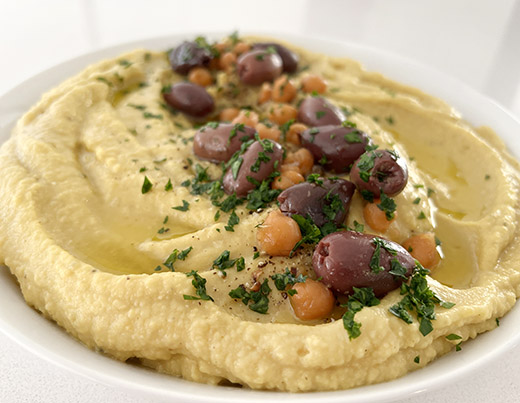
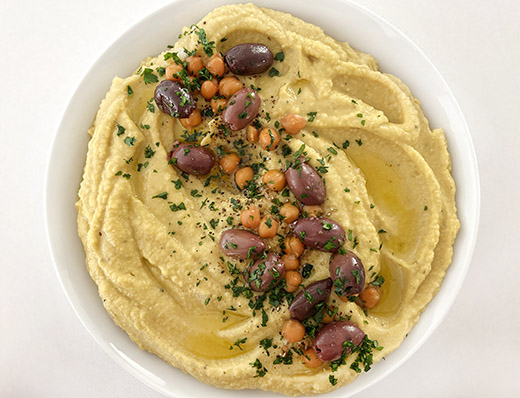
I served the puree with olives, parsley, the reserved whole chickpeas, and a drizzle of olive oil on top. Being transported to the Mediterranean, even if only virtually, is a joy. These simplified dishes can bring all the flavors into your kitchen with ease. My obsession with cookbooks hasn’t waned, and I’m happy to add this one to the collection.


I am a member of the Amazon Affiliate Program. 

Monday, January 10, 2022

Smoked Herring and Buckwheat Blinis

I was busy baking cookies and more cookies and celebrating the holidays. But, now I want to tell you all about a new cookbook. I received a review copy of Take One Fish: The New School of Scale-to-Tail Cooking and Eating by Josh Niland, and I was excited to read about his approach to using more of each fish and using less popular types of fish. I had recently watched the documentary Seaspiracy. That film goes into detail showing that certification programs aren’t always what we expect them to be. A sustainably-caught label on fish at the grocery store may not mean much. I wasn’t feeling so great about meals from our oceans. When I opened this book, right off the bat in the introduction it’s explained that NIland’s approach to fish increases its usable yield considerably. His goal is for every fish caught to “generate the yield of two” by using more than just fillets. If chefs followed his lead, fewer fish could feed more people. He understands that not everyone catches and butchers her own fish, and he offers suggestions for how to make the most of store-bought fish pieces and how to ask for cuts that aren’t usually in the seafood case. The book’s sections are ordered by size of fish, each chapter is devoted to a type of fish, and there are stunning photos throughout. At the start of the chapters, there are suggestions for other types of fish that would work for the recipes. The John Dory chapter is a great example of the overall intent. Niland is able to use 90% of the whole weight of John Dory. There’s Salt and Pepper John Dory Tripe that looks like crispy calamari; a tagine made with tail shanks; John Dory Chops with Anchovy and Reaper Butter and Jerk Cauliflower that I have marked for the cauliflower alone; and John Dory Liver Terrine with Chopped Sauternes Jelly. One of the prettiest dishes is the Raw Flounder, Fragrant Leaves, Herbs and Citrus Dressing that’s shown served as a taco of sorts in thinly-sliced daikon. And, there are actual tacos made with Swordfish al Pastor. Fish fat is even featured since it does account for a substantial amount of total weight. The head note for the Kingfish Fat Caramel Macarons explains that the “result was delicious, with only a very mild hint of fish flavor.” For another foray into sweets, there’s a Custard Tart with Sardine Garum Caramel that has me very curious. I was pulled in by the X-Small section with the Pissaldiere and Pichade both made with fresh sardines rather than salted anchovies. Then, I set about making the Smoked Herring and Buckwheat Blinis. 

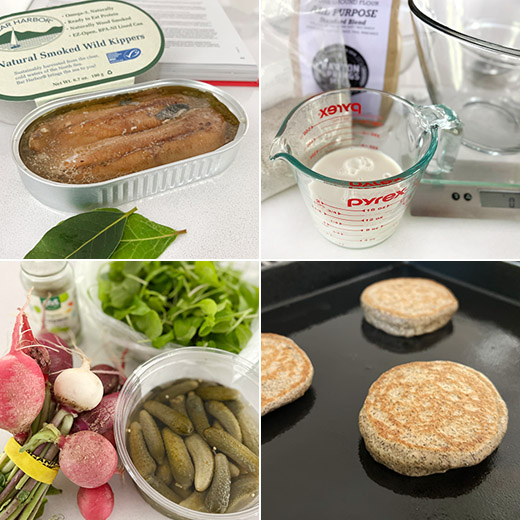
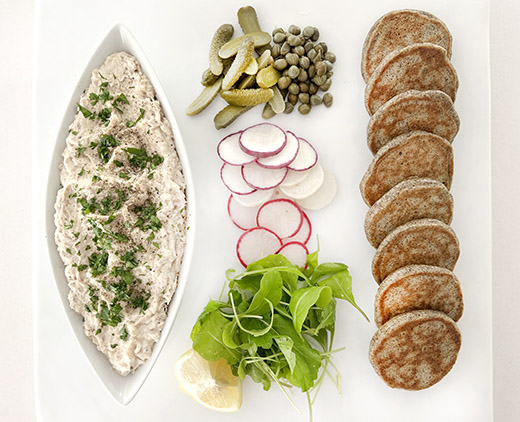
I had definitely used buckwheat flour before and may have even used it in some type of pancakes, but I had never made proper blinis. The batter was made in a few steps involving warmed milk, yeast, a mix of flours, egg yolks, and whisked egg whites that were gently folded into the mix. I cooked the blinis on a griddle with melted butter brushed over the surface. The smoked herring was steeped in milk with a bay leaf before being mashed with butter, lemon juice, and olive oil. I should mention, the recipe as shown below calls for a mix of smoked herring and cooked white fish. I used all smoked herring. Mashed potato and more butter were added before creme fraiche and chives were folded in to form the brandade. If you have chiled the brandade before serving, you should let it sit at room temperature for a bit to soften to a scoopable state. Lots of garnishes were prepped including cornichons, capers, radishes, and arugula. 

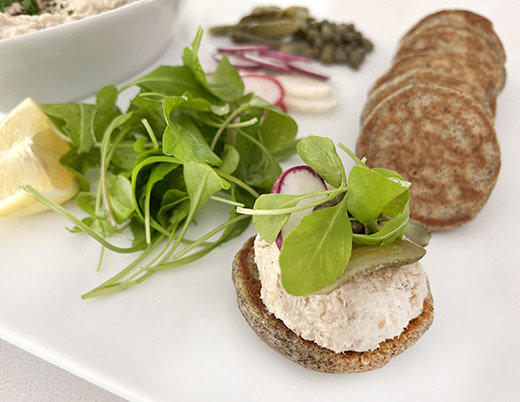
I love a serve-yourself hors d’oeuvre with lots of options for toppings. The smoked herring brandade was spooned onto a blini, and sliced cornichon, capers, radish slices, and baby arugula leaves were balanced on top. The pickled and peppery toppings balanced the rich brandade, and the buckwheat blinis were perfect delivery vehicles for everything. I’m still thinking twice before trusting every certification label, and I'm eating a bit less seafood that I previously did. But, I’m delighted to use more tiny fish like herring and to make use of more of each fish whenever I can. 

Smoked Herring and Buckwheat Blinis 
Recipes excerpted with permission from Take One Fish: The New School of Scale-to-Tail Cooking and Eating by Josh Niland published by Hardie Grant Books, August 2021. 

This tastes as joyful as it looks, with the condiments lifting the smoked herring brandade into truly celebratory territory. Blinis are not hard to make but they often fall down for a few basic reasons: a stodgy mix that hasn’t been lightened with egg white or leavened with yeast, too much ghee in the frying pan (creating a greasy crust around the edges) or sitting around for too long after being cooked. The other challenge is getting the size and colouring consistent, but here, practice makes perfect. As long as you keep all of the above in mind, you’ll be fine. 

SERVES 2 AS A LIGHT MEAL 
4 French shallots, finely diced

90 g (3 oz/1⁄2 cup) cornichons, drained and finely diced

60 g (2 oz/1⁄2 cup) tiny salted capers, rinsed and drained

8 radishes, cut into thin wedges 
 30 g (1 oz/1 cup) picked watercress extra-virgin olive oil, for dressing 
sea salt flakes and freshly ground black pepper

seeded mustard, to serve (optional) 

Smoked herring brandade 
80 g (23/4 oz) Smoked Herring Fillet 

210 ml (7 fl oz) full-cream (whole) milk 
1 bay leaf

70 g (2 1⁄2 oz) skinless, boneless white-fleshed fish, such as ling or snapper 
60 g (2 oz) butter, softened

juice of 1⁄2 lemon

2 tablespoons extra-virgin olive oil 
60 g (2 oz) mashed potato 
fine salt

1 1⁄2 tablespoons sour cream or crème fraîche, plus extra to serve

2 bunches chives, very finely chopped 

Buckwheat blinis 
125 g (4 1⁄2 oz) buckwheat flour

125 g (4 1⁄2 oz) plain (all-purpose) flour 
1 teaspoon fine salt

250 ml (8 1⁄2 fl oz/1 cup) full-cream (whole) milk

10 g (1⁄4 oz) dried yeast 
3 eggs, separated 
ghee, for pan-frying 

To make the brandade, check the smoked herring meat and make sure it is boneless and skinless. Put the milk and bay leaf in a small saucepan and bring to the boil, then remove from the heat and add the smoked herring. Leave for 10 minutes, then strain the herring and discard the milk (or keep it to use in mashed potatoes or a root vegetable soup). Steam the white fish in a bamboo steamer for 5 minutes or until the flesh is cooked and flakes apart easily. Put the herring and fish in a small bowl, add half the butter and mash together with a fork. Drizzle over the lemon juice and 1 tablespoon olive oil, mixing with the fork as you go, then add the mashed potato and mix well. Add the remaining butter and olive oil and mix again, then season to taste with salt. Leave the mixture to cool, then fold in the sour cream or crème fraîche. Chill in the fridge for at least 1 hour. 

For the blinis, sift both flours and the salt into a stand mixer fitted with the paddle attachment. Pour the milk into a small saucepan and warm to blood temperature over a low heat. Remove from the heat, add the yeast and let it dissolve, then stand for 5 minutes until frothy. Turn the mixer onto a low speed and combine the flours and the salt. Slowly pour in the milk and mix for 2 minutes to form a smooth batter. Cover the bowl with a tea towel (dish towel) and allow to prove in a warm place for 45 minutes or until doubled in size. Add the egg yolks to the batter and mix with a whisk for 1 minute. Add the egg whites to the very clean bowl of your stand mixer fitted with the whisk attachment, and whisk the whites to soft peaks. Add half to the batter and gently fold through to loosen it, then fold in the remaining egg white (this second batch aerates the batter to give the blini the desired lightness). Set aside to prove for another 15 minutes. 

To cook the blinis, heat a wide-based cast-iron frying pan over a medium-low heat for a good 2 minutes before starting. It’s important that the pan is hot. Add 1 tablespoon ghee and swirl it around to ensure the base is well greased, with a very light haze coming off the ghee. Working in batches of six, add a tablespoon of batter for each blini to the pan, taking care to create neat circles. Cook for 30 seconds or until the edges are lightly golden and bubbles start to appear on the tops. Flip the blinis over and cook for another 30–60 seconds until they are firm but soft to the touch and the centres are set. Transfer to a wire rack to cool or place in a cloth napkin to keep warm. Repeat with the remaining batter. You should have enough to make 25–30 blinis. 

To serve, assemble the shallot, cornichon, capers and radish separately alongside the herring brandade. Top the brandade with the finely chopped chives, dress the watercress with a little olive oil and season. Serve with the blinis and a little seeded mustard, if you like.


I am a member of the Amazon Affiliate Program. 

Blogging tips