Showing posts with label chickpeas. Show all posts

Thursday, November 17, 2022

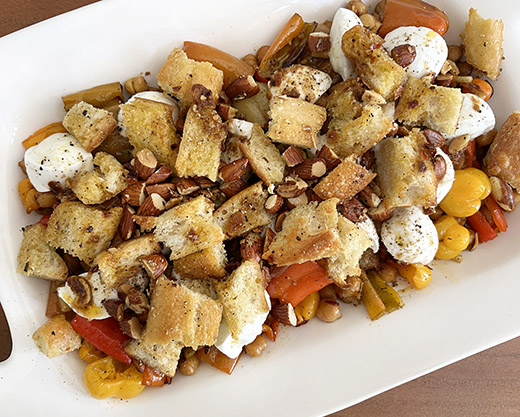
Blistered Peppers with Mozzarella and Croutons

Scrappy cooking, or cooking outside the lines, is a fun approach to putting a meal on the table. That’s the style you’ll find in I Dream of Dinner by Ali Slagle. I’ve been cooking through my review copy. The recipes are intended to give “just enough structure to get you to excellent meals, in your kitchen, your way.” They should all require no more than 45 minutes to make and ten or fewer ingredients. What I always enjoy in a cookbook is an offering of alternatives for swapping out ingredients or making little changes, and those suggestions are in abundance throughout the book. The recipes are written to walk you through the entire process of making each dish. So, rather than calling for a pre-prepped ingredient in the list, just the item itself is listed and any prep work is described in the instructions. The goal is to prevent you from seeing a short recipe and not realizing everything in it requires several minutes of attention before you can begin. I just have one little quibble with the way the ingredient lists are written: there are no quantities in the lists. You have to read the recipe to find out how much of each ingredient is needed. But, otherwise, I have been enjoying this “fast and loose way of cooking.” It could be that I have a thing for eggs lately, but I wanted to taste everything in the Eggs chapter. The Fried Egg Salad is a mix of vegetables skewing toward escabeche with lettuce to which chopped fried eggs are added. Alternative routes for this include a romaine salad with olive oil braised chickpeas or a Thai salad among others. I had to try the Crispy Potato, Egg, and Cheese Taco because that combination can do no wrong. Shredded potato was fried in butter in rounds to fit the tortillas; shredded cheese was sprinkled on top; and an egg was cooked on top of the cheese. It was simple and lovely. The Beans chapter is fun too. I have my eye on the Big Beans with Breadcrumbs wherein gigante beans are browned in oil in a hot pan before panko crumbs are added with butter and cooked until they coat the beans which are then served with dressed salad greens. The other chapters include Pasta, Grains, Vegetables, Chicken, Beef Pork and Lamb, and Sea Creatures. I made the Sticky Chicken with Pickled Vegetables, and it’s a delightfully quick and tasty take on teriyaki. Alternatives include making this with tofu or salmon and adding vegetables. I plan to do all those things. The Tomatillo Poached Cod is like a streamlined pozole. I did actually cook dried hominy rather than using canned, but it was still a very approachable dish with great flavor. And, one recipe tip that I will use repeatedly from now on is to add grated zucchini to ground chicken for burgers. The dish I want to tell you more about, though, is Blistered Peppers with Mozzarella and Croutons. 

I had lots of local, sweet peppers in various sizes to use in this dish. The peppers, some chopped and some just stemmed in my case, were cooked in olive oil with garlic, smoked paprika, and red pepper flakes in a Dutch oven in the oven until the peppers were blistered. Next, almonds were chopped and tossed with bread chunks and olive oil. The mix was seasoned with salt and pepper, and it was baked until golden. Some of the excess oil from the peppers was poured over the bread and almonds, and minced garlic and sherry vinegar were added as well. Last, fresh mozzarella was cut into pieces and layered with the peppers, chickpeas, and croutons and almonds on a serving platter. 

This dish was a delightful mix of flavors and textures. And, like all the other recipes, it came with great ideas to repurpose in others. The idea of using warm excess oil from the peppers to dress the croutons and almonds could apply in so many other dishes. And, that’s the intention here. The recipes inspire all sorts of directions for experimentation, and also happen to be delicious just as they are.

I am a member of the Amazon Affiliate Program. 

Tuesday, February 22, 2022

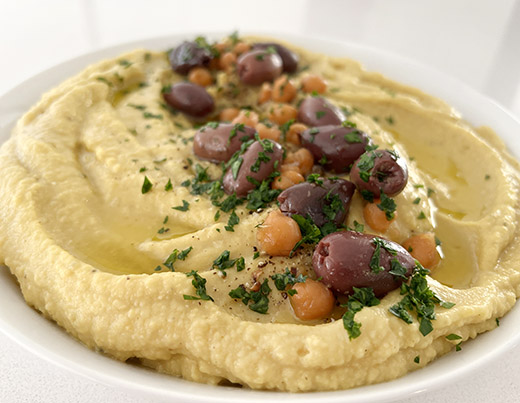
Mashed Chickpeas with Turmeric

I don’t remember exactly when I became obsessed with cookbooks. But, I do recall that in the early days, I read about Judith Jones. I learned how she was the editor who brought Mastering the Art of French Cooking into being. She worked with so many cooking legends from Julia Child to Claudia Roden, Madhur Jaffrey, Edna Lewis, Irene Kuo, Marcella Hazan, Marion Cunningham, and on and on. I started collecting books by each of them. It’s no surprise that I was delighted to read the latest by Claudia Roden. This new book shares her favorite dishes from several seaports and cities around the Mediterranean where she has spent a career reporting on the cuisines. I received a review copy of Claudia Roden's Mediterranean: Treasured Recipes from a Lifetime of Travel, and in it she tells of fond memories of places she lived or visited and the recipes from those places that are her favorites and ones she prepares for family and friends. The photos show the food, of course, but also the idyllic places mentioned. A quote by Joseph Pla at the beginning of the book reads: “Cooking is the landscape in a saucepan.” That sums it up. The recipes include everything you need to plan a simple meal for entertaining: Appetizers, Soups, Salads, Vegetable sides, With grain, Seafood, Meat and poultry, and Desserts. The first recipe in the book sent me on my way to make some focaccia that’s perfect with the dips and spreads for appetizers. Also, I made the Green Olive, Walnut, and Pomegranate Salad right away. The story behind the Sweet-and-Sour Peperonata sounds like a book of its own. It’s about a visit to Palermo and a dinner in an aristocrat’s palazzo. That’s soon followed by a description of farmer’s market shopping in Provence. I’m looking forward to spring shopping at our local farm stands when I can gather everything for the Lemony Roast Potatoes with Cherry Tomatoes and Garlic. There are couscous, polenta, barley, rice and pasta dishes. One of the simplest, Malloreddus al Caprino Fresco, from Sardinia has me intrigued. It involves just pasta, fresh goat cheese, lemon and orange zest, and saffron. There’s even a simplified b’stilla made with chicken and topped with puff pastry. But, the desserts might the simplest of all. The no-churn, frozen Parfait Mocha Praline topped with a chopped hazelnut brittle looks delicious and easy to execute. Before I try that, I have to tell you about the Mashed Chickpeas with Turmeric. 

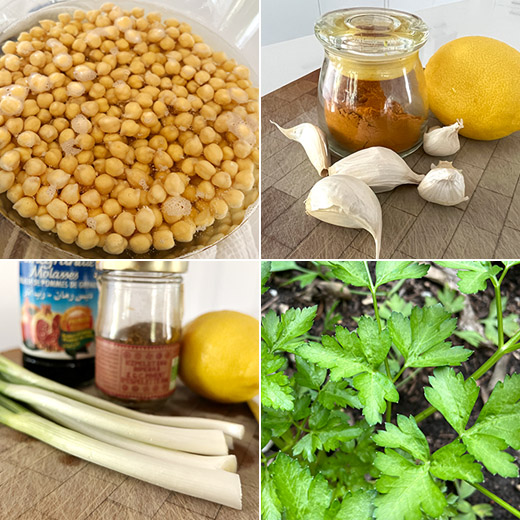
Chickpeas with turmeric comes from Tunisia, but the added toppings are up to you to pick and choose from several Mediterranean options. The chickpeas were soaked overnight before being drained and then placed in a large saucepan with lots of fresh water and some baking soda to help them soften. Peeled garlic cloves and ground turmeric were added, and the chickpeas simmered until tender. The goal was for the liquid to reduce to a small bit of thick sauce while the chickpeas cooked. A few whole chickpeas were kept aside for garnish before the rest with the sauce was transferred to a food processor. Olive oil, lemon juice, and salt and pepper were added before pureeing. 

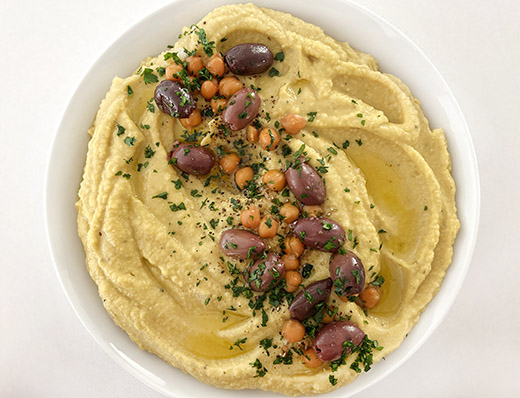
I served the puree with olives, parsley, the reserved whole chickpeas, and a drizzle of olive oil on top. Being transported to the Mediterranean, even if only virtually, is a joy. These simplified dishes can bring all the flavors into your kitchen with ease. My obsession with cookbooks hasn’t waned, and I’m happy to add this one to the collection.


I am a member of the Amazon Affiliate Program. 

Tuesday, October 15, 2019

BBQ Chickpea-Quinoa Bowls

When someone declares that cookie recipes are her pride and joy, I’m going to pay attention. I didn’t realize the food blog Two Peas and Their Pod has 200 recipes for cookies on it. But, I did know the blog author Maria Lichty also has a new cookbook, and I received a review copy. Of course, there is a chapter just for cookies. There’s a lot of other great food too, and I got distracted with the mix of vegetarian and omnivore dishes on my way to the cookies. The book and the blog are about a couple that loves to cook for their little boys, extended family, neighbors, and friends. The recipes they share are tested, family favorites. And, they really do love cooking and bringing people together around good food. Right away, I found some of my favorite flavors in the book. The Sweet Potato and Kale Hash, Raspberry-Lemon Scones, and Green “Hulk” Smoothies stood out in the Breakfast chapter. The hearty soups like Creamy Roasted Cauliflower Chowder and Mushroom-Farro Soup had me looking forward to cooler days. I’m marking the page for the Kale and Wild Rice Salad with Maple Mustard Vinaigrette for a Thanksgiving menu contender, and I can’t wait to try the Sweet and Spicy Tofu with Zucchini Noodles right away. Now, about that cookie chapter: there are Our Favorite Chocolate Chip Cookies, Mega Monster Cookies, Lemon-Almond Cookies with Lemon Glaze and more. The one that called out to me, though, was the Toasted Coconut White Chocolate and Macadamia Cookies. I’ve never added coconut to white chocolate-macadamia cookies or thought to toast it first. That’s a must-try. Before I could pre-heat the oven for those, I first set about making the BBQ Chickpea-Quinoa Bowls. 

I had local corn and tomatoes from my CSA, and the timing was right for this dish. To begin, the canned chickpeas were rinsed and drained before being mixed with olive oil, paprika, garlic powder, salt, and pepper. The seasoned chickpeas were baked for about 30 minutes until crispy. After roasting, they were tossed with some barbecue sauce. Meanwhile, I charred the corn a bit on a grill pan and chopped the tomatoes, cabbage, avocado, and lettuce. The dressing for the bowls was a spicy ranch that I took in a vegan direction by using cashew yogurt. The yogurt was mixed with lemon juice, minced jalapeno, minced garlic, chopped garlic chives, and salt and pepper. Cooked quinoa was placed in bowls and topped with the fresh vegetables, the barbecued chickpeas, and drizzled with the dressing. 


I love crispy, roasted chickpeas almost as much as I love popcorn, and the addition of barbecue sauce was a delicious idea. The flavors were a great match for the corn, tomatoes, and avocado. This could become a weekly lunch meal for me. But, now I’m thinking I haven’t been baking enough cookies lately.


I am a member of the Amazon Affiliate Program. 

Tuesday, July 23, 2019

Tiny Baked Potatoes with Spiced Chickpeas

I feel like I’ve said this before, but it bears repeating: It’s always worthwhile to read a cookbook all the way to the end. I tend to find fascinating tidbits in those last pages. When the final chapter is about sauces or toppings or stocks, there’s always something interesting there that makes me like the book even more than I already did from reading the main sections. That just happened once again with The Way to Eat Now: Modern Vegetarian Food by Alice Hart of which I received a review copy. This new book is a paperback release of what was titled Good Veg as a hardcover in 2016, and it’s full of great ideas for vegetarian dishes for any time of day. Along with the recipes and photos, there are also added ideas and variations sprinkled throughout the chapter introductions and recipe head notes. For example, something I can’t wait to try isn’t written as a recipe but was just mentioned in the Mornings chapter intro. It’s a suggestion to make savory French toast by adding garlic or paprika to the custard and serving it with roasted tomatoes or wilted spinach and goat cheese. Some of the dishes include dairy or eggs, and some are vegan, and substitutions are offered. There’s also acknowledgement of time and cost, and when a step may take too long or an ingredient might be too pricey other options are suggested. Several dishes have southeast Asian influences, and vegetarian “fish” sauce is listed among the ingredients. You’ll find the recipe for the sauce in that last chapter I was praising, and I was delighted to see it’s not too time-consuming to make. You’ll also find a recipe for Vegetarian Nuoc Cham, Pickled Sour Cherries, Sweet Pepper and Chile Jam, and a Thai-Style Roasted Chile Paste. That last one sent me backwards in the book to revisit the recipe for Brown Rice Bibimbap Bowls with Smoky Peppers where it’s used, and that made me happy to have read all the way to the end. Back at the front of the book, I got a bit distracted by the Chia Jams. I’d seen this method before of using chia seeds to thicken a jam rather than adding as much sugar as usual. When I saw it here, I finally gave it a try and loved chia-thickened peach jam with a little honey. I also tried the Shaved Beets with Sprouts, Kefir and Dukkah but made a couple of changes by using vegan yogurt for the dressing rather than kefir and mixing the beets with arugula instead of sprouts. I have the page marked for the Chubby Polenta Fries with Almond Za’atar Salt, and I know I’ll love the Roasted Pineapple, Coconut and Makrut Lime Sorbet. But, I want to tell you all about the Tiny Baked Potatoes with Spiced Chickpeas. 

New potatoes are available from our local farms right now, but they’ll be gone for the season soon. They were simply roasted whole with a little olive oil and salt and pepper. At the same time, canned chickpeas that had been rinsed, drained, and left on a towel to dry were roasted with cumin, nigella, hot smoked paprika, and salt. I love crispy, roasted chickpeas, but there was a twist here in that before they were done lemon zest was added for the last 10 minutes or so. It smelled amazing and added great flavor. A little honey was to be added with the lemon zest, but I skipped it. A sauce was made with sour cream and finely chopped green onion. When the potatoes were cooked through and tender and then allowed to cool a bit, I cut each in half. Each half was topped with some sauce, crispy chickpeas, more finely chopped green onion, and more nigella seeds. 

These little potatoes would be great for a party. They’re just the right size to pick up with your fingers. The sauce works perfectly to keep the chickpeas in place on top of each potato, and the spices on the chickpeas give each bite a nice boost. There’s so much variety and so many ideas in this book, I suspect I’ll be spending a lot of time with it in the kitchen.

I am a member of the Amazon Affiliate Program. 

Thursday, July 11, 2019

Meatless Meatballs with Quick Tomato Sauce on Zucchini Noodles

That famous line from Michael Pollan, “Eat food, not too much, mostly plants” is as simple as nutrition and sustainability advice gets. And now, there’s a new cookbook to help put that advice into practice, and I recently received a review copy. Mostly Plants: 101 Delicious Flexitarian Recipes from the Pollan Family is the second book created by Michael Pollan’s three sisters and his mother, and it includes each of their styles of cooking. That means, some dishes are vegetarian or vegan, and some include meat but with a focus on the vegetables. He described the book as not “dourly anti-meat; rather it is ecstatically pro-plant.” There’s a nice introduction to each member of the family and her preferred way of eating before getting into the recipes that cover dishes from Meze and Salads to Burgers, Vegetable Mains, Seafood, Meat, Sides, and Sweets. Along the way, there are tips for making vegetarian recipes vegan, ideas for replacing meat with a vegetarian protein, and Food for Thought with nutrition information. Overall, these recipes feel like comfort food made fresher. The Mediterranean Crunch Salad has bright bell peppers, cucumbers, tomato, and herbs piled on endive and topped with crumbled feta and crispy, baked chickpeas. The soups all look so good, and I can’t wait to try the Udon Noodle Soup with Miso-Glazed Vegetables and Chicken. In the burgers chapter, you’ll mostly find veggie burgers, but there is a chicken and a tuna option. Among the vegetable mains, there are some pasta dishes that caught my eye like the Penne with Roasted Vegetables and Mozzarella and the Vegan Lentil and Roasted Tomato Pasta. I tried the Golden Roasted Quinoa and fell for the lovely texture. I have the page marked so I can soon try the Salmon Farro Bowl full of crunchy vegetables and Vietnamese flavors. And, the Pina Colada Crumble with pineapple, banana, and coconut is tempting me for dessert. As I was mulling over those pasta options, a few pages later I came upon the Meatless Meatballs with Quick Tomato Sauce and decided to serve them on zucchini noodles to make it very pro-plant. 

To begin the meatballs, Puy lentils were cooked with a bay leaf until tender. At the same time, onion, carrots, celery, and garlic were sauteed, tomato paste was added along with chopped mushrooms, and the mixture was cooked through. The vegetable mixture, the lentils, and rinsed and drained canned chickpeas along with oats, parsley, basil, and salt and pepper were pulsed in the food processor. That mixture was transferred to a mixing bowl, and beaten eggs and wheat germ were added. Bread crumbs and grated parmesan were supposed to be used, but I opted for some wheat germ instead. The meatballs were formed and placed on a baking sheet. I had drizzled the baking sheet with olive oil and I rolled each meatless ball through the oil to coat all sides before placing it on the sheet. The meatless balls baked for about 30 minutes while I spiralized some zucchini. The sauce was a quick simmer of canned crushed tomatoes, garlic, and red pepper flakes. I did serve the meatless balls with a little shredded parmesan and lots of basil. 


This wasn’t my first attempt at meatless meatballs. Previous recipes have also involved mushrooms and lentils and usually some nuts. This was my favorite of any I’ve tried. The consistency was perfect. Past efforts ended in meatless balls that fell apart when served or didn’t maintain their shape while baking. These performed perfectly and had great flavor. There are a lot of great-looking ideas in this book, and it’s going to be easy to keep eating mostly plants.


I am a member of the Amazon Affiliate Program. 

Sunday, May 14, 2017

Bulgur and Green Lentil Salad with Chickpeas and Preserved Lemon

Have you ever thought much about how you really cook? I mean when you’re cooking regular, daily meals not when you’re following a specific recipe to try something new or when you’re making something for a special occasion. For day-to-day cooking, do you always make your favorite meals the exact same way every time? Probably not. The new book from Deborah Madison, In My Kitchen: A Collection of New and Favorite Vegetarian Recipes, is a look at how she really cooks. These are recipes that may have appeared in a slightly different version in previous books, and they are ones that she turns to often. Here, she explains why they have stood the test of time for her and how she has modified them since they were first written or routinely changes them up depending on what’s in season. There’s a nice introduction to how her cooking has changed now that so many well-made food products can be easily found in markets. She also writes about her garden and the delight of planting and growing new and different things to use in your cooking. What I really enjoyed about this book was that in the head notes for the recipes there are several suggestions for ways to vary ingredients or technique along with ideas for what to serve with the dish. Those notes give you a real sense of her regular cooking and inspire you to experiment as well. For several recipes, you’ll see that she has simplified the process from the original version. The Warm Cabbage Salad with Togarashi Tofu Crisps is a more streamlined approach to a similar dish from her book This Can’t Be Tofu in which the crisp tofu cubes are treated like croutons. The Eggplant Gratin with a Golden Dome of Saffton-Ricotta Custard is lightened up compared to the original now that the layer of cheese has been removed. And, the Masa Crepes with Chard, Black Beans, Avocado, and Pickled Onions began as a rich, layered Mexican casserole. I can’t wait to play around with the recipe for Yellow Coconut Rice with Scallions and Black Sesame Seeds. It’s intended to be pressed into a pan, chilled, and then cut into diamonds and browned. It could also be served warm from the stovetop after initially cooking, and there are some great suggestions for what to serve with it. The first dish I tried from the book was the Bulgur and Green Lentil Salad with Chickpeas and Preserved Lemon. 

I had some pretty, bright carrots from my CSA and some locally made preserved Meyer lemons that were perfect for this recipe. And, I learned something new. Every time I had ever used bulgur in the past, I poured boiling water over it to soak before using. Until reading this recipe, I didn’t realize you could just pour cool water over it and wait about 30 minutes. It becomes tender, and you can drain away any excess water. I actually had some cooked green lentils in the freezer and got to skip that cooking step in the process. The dressing was a quick mix of minced garlic, lemon juice, olive oil, sliced scallions, and salt. The preserved lemon was chopped as were the carrots, celery, and herbs. Fortunately, I had some parsley in my herb garden, and I used my Mexican mint marigold rather than tarragon. Rinsed and drained chickpeas were combined with the vegetables, herbs, bulgur, and lentils, and the dressing was added to finish the dish. 

I’ve read and used several Deborah Madison books, and it was fun to see some recipes I recognized from earlier works here. It was her books that got me interested in using sorrel, and now I love finding it at local farm stands in the spring. I had just bought a bunch of sorrel the day I made this and decided to chiffonade a few leaves for a garnish on top of the salad. The lemony ribbons were great with the bright dressing and bits of preserved lemon throughout. This is the kind of book I want to keep flipping back through to remind myself of all the great tips. And, I want to keep cooking these dishes. 

Bulgur and Green Lentil Salad with Chickpeas and Preserved Lemon 
Recipe reprinted with publisher’s permission from In My Kitchen: A Collection of New and Favorite Vegetarian Recipes

1/2 cup green French or black Beluga lentils 
1 bay leaf 
1 deep orange carrot, diced into small pieces 
1/2 cup fine or medium bulgur 
1 plump garlic clove, finely minced or pounded in a mortar with a pinch of salt 
3 tablespoons lemon juice 
1/3 cup best olive oil 
1 1/2 cups home-cooked or canned chickpeas, well rinsed and drained 
8 scallions, thinly sliced, including some of the greens 
1 preserved lemon, skin only, finely diced 
1/2 cup finely chopped parsley 
1 rounded tablespoon chopped tarragon 
2 celery stalks, diced, plus their pale leaves, finely chopped 
Sea salt and freshly ground pepper 

If you have time, soak the lentils in water to cover for 30 to 60 minutes. Drain the lentils, then put them in a small saucepan and cover with water by at least 2 inches. Add the bay leaf, carrot, and 1⁄2 teaspoon of salt, and bring to a boil. Reduce the heat to medium-low and simmer until tender-firm, 25 minutes or longer. 

Meanwhile, put the bulgur in a small bowl, add 2 cups of water, and let stand until the liquid is absorbed and the grains are tender, about 30 minutes. When a grain tastes done, drain the bulgur and press out any excess water. 

Whisk the garlic, lemon juice, oil, scallions, and  1/2 teaspoon of salt in a large bowl. When the lentils are done, drain them and add them to the bowl along with the bulgur and chickpeas, preserved lemon, parsley, tarragon, and celery stalks and leaves. Turn gently and thoroughly. Taste for salt and season with pepper. Mound the finished salad into a handsome serving dish. Serve immediately or cover and set aside to serve later. 

I am a member of the Amazon Affiliate Program. 

Thursday, June 9, 2016

Roasted Pepper and Chickpea Soup

You might not immediately think that summer and soup go together, but give me a chance to explain. I’m declaring this a perfect soup for summer because it’s so easy to make, because the ingredients can all come from the pantry or freezer, and because it would be as good chilled as it is hot. This was a treasure I discovered in my recipe files. I keep physical files of magazine pages I’ve cut out over the years. All the pages are filed according to type of recipe like soup, cake, pasta, etc. It had been ages since I’d gone through them. A couple of times a year, I flip through the recipes to pull out ones that I’ve since tried from other sources and to find inspiration from ideas I’d forgotten. This soup was a long-overlooked gem, and it’s from the October 2012 issue of Food and Wine. In its original format it’s even easier than how I prepared it, but I’ve never met a recipe I couldn’t make more complicated. In the magazine, it was made with store-bought hummus. Instead, I used canned chickpeas, lemon, and garlic. But, what I realized is that this soup is ideal for the night you return from a trip or return from a day in the outdoors or return home after having so much summer fun you don’t want to cook anything difficult. It’s a puree of roasted red peppers from a jar, chickpeas from a can, lemon and garlic from the panty, and store-bought chicken stock. The toppings are chopped roasted red peppers, cooked rice, and optional sliced chicken from the freezer. 

Piquillo peppers are suggested in the original recipe, but they’re not always easy to find. I used regular, jarred roasted red peppers. They were drained and all but one was added to the blender pitcher. The extra pepper was diced for topping the finished soup. I also rinsed and drained one can of chickpeas and added that to the blender pitcher as well. The juice of one lemon and three chopped cloves of garlic were added along with two cups of chicken stock, and the mixture was pureed. I prefer the blender for pureed soups for a smoother texture than a food processor would create. I had some Texas-grown, long-grain rice that I cooked while warming the soup puree. Salt and black pepper were added to the soup, and I added Espelette pepper for a little spice as well. I had some leftover grilled chicken from the freezer than I thawed and sliced for topping the soup. 

I mentioned this would be a good cold soup, and I think that’s due to the lemon. In a cold version, some crab meat or pickled shrimp would make good topping options, although those would make this less pantry- and freezer-friendly. Still, however you top it, this soup is meant for summer. 


Tuesday, January 12, 2016

Brussels Sprout, Chickpea, and Haloumi Sandwich

Aaaaaand, I’m back. We’ve moved back to our permanent property, into our new house, and I’m finally using my new kitchen. Regarding moving into a new house during the holiday season, I only recommend it if you’ve been waiting way, way too long for said new house to be completed. Otherwise, the whole process is much better suited to a time when you’re not missing all the celebrating and relaxing going on all around you. But, we’re so glad to be back. Waking up in the morning and looking out the window at our own yard and our own plants and trees is a delight. As soon as I got somewhat organized in the kitchen, I located my always-growing, to-try stack of recipes. The stack gets shuffled and reordered from time to time, and I lose track of what’s in there. After spending a few minutes flipping through the pages, I found some gems I couldn’t wait to make. First, I whipped up the Mafaldine with Shrimp and Lemon from last March’s Living magazine. Next, I found the open-faced sandwich shown here that was from the October/November 2012 issue of Donna Hay magazine. My first thought was: which farms have local Brussels sprouts right now? The following morning, I saw a post on Facebook showing what was available at Boggy Creek Farm—including Brussels sprouts. Off I went, and I got there just in time to nab the last little basket of them. I found the green onions I needed at Springdale Farm. And, I wasn’t sure I’d find local mint at this time of year, but Springdale did still have some growing. This was going to be a fresh and lovely sandwich. 

The parts of this recipe are a mix of home-cooked and store-bought. I bought the sourdough bread and the hummus, and the chickpeas came out of a can. And, I made a few minor changes. The intent was to pull the leaves from each Brussels sprout, but these were fresh, tightly bundled, little heads I had brought home. As I cut the ends from each sprout, I collected any leaves that fell to the side and left the remaining sprouts intact. The sprouts and leaves were boiled briefly in salted water and then drained and rinsed in cold water. The canned chickpeas were rinsed and drained as well before being sauteed with garlic and chile flakes. After about 10 minutes, the chickpeas take on a darker, golden color and get crispy on the edges. You should mash some of the chickpeas as they cook as well, and the mashed ones get the crispiest. The next item to prep is the haloumi, and it was sliced and fried in olive oil until browned. The cooled Brussels sprouts were added to a mixing bowl with sliced green onion and chopped mint. Chopped cucumber was to have been added as well, but I skipped it. I wanted to make this all about the Brussels sprouts. Lemon, olive oil, and salt and pepper were added to the bowl, and the mixture was tossed to combine. To assemble the sandwiches, I toasted slices of sourdough, spread each piece with hummus, topped the hummus with the sauteed chickpeas, layered on haloumi slices, and spooned the Brussels sprouts mixture on top. 

This is a knife-and-fork kind of open-faced sandwich but deliciously so. After my first bite, I was so glad I located and included the mint. It added a brightness and freshness to the lemony vegetable salad. And, haloumi. No explanation required. It continues to be one of my favorite ingredients. Overall, this was a great combination for a vegetarian sandwich. I have several new books to cook from as I continue to break in my new kitchen and try to remember where I’ve put everything. Stay tuned for more food coming soon. Happy New Year! 


Thursday, March 12, 2015

Southern Hummus

How do you change the direction of 100 years of family cooking while honoring the traditions? That’s what Alice Randall and her daughter Caroline Randall Williams set out to do. They chronicled their family history and their desire to change their eating habits for the better in their new book Soul Food Love, and I received a review copy. The book begins with stories about three generations and five different kitchens and the types of cooking in each. The goal for mother and daughter was to keep the flavors from the past while fine-tuning approaches to arrive at healthy dishes for celebrations and every day. They’ve written of the historical complexity of the kitchen for many African-American families. “(The kitchen) has been a place of servitude and scarcity, and sometimes violence, as well as a place of solace, shelter, creativity, commerce, and communion.” When excess appeared in the kitchen, foods began causing illness rather than nourishing families. The authors want to change that pattern by offering dishes that are easy to make part of your home-cooking routine and are free of guilt. The Soups chapter begins with a few homemade broths, and one of them is Sweet Potato Broth. It’s a puree of cooked sweet potatoes in water with onion, celery, and carrot, and it sounds like a delicious base for lots of soups. It’s used in the Sweet Potato, Kale, and Black-Eyed Pea Soup and the Peanut Chicken Stew. There are several fresh and light salads like Savory Avocado Salad with Corn, Peppers, and Cilantro and New-School “Fruit” Salad with watermelon, cherry tomatoes, avocados, and feta. There are also updates to dishes made with practical ingredients like canned fish. The story behind the Salmon Croquettes with Dill Sauce brought back memories of the mackerel cakes my Mom used to make that I loved. Likewise, there’s a story about how eating sardines used to be thought of as a hardship, but now we know that they’re a healthy and sustainable choice. The recipes nicely weave together the best of the past with a health-conscious look forward. 

I was intrigued by the Southern Hummus recipe because as many times as I’ve made hummus, I’d never thought of using peanut butter in place of the tahini. Since I usually have some natural peanut butter on hand but not always tahini, this means I can make hummus even more often. It’s an easy puree in the food processor of natural peanut butter, lemon juice, and chopped fresh garlic. Next, rinsed and drained canned chickpeas, warm water, ground cumin, salt and pepper, and olive oil were added and pureed. I suspect there’s a typo in the book. The ingredient quantities seem to be meant for two cans of chickpeas. So, if using one can, the other ingredients should be reduced by half. Later in the book, there’s a recipe for a Moorish Pizza which is pita topped with hummus, baba ghanoush, and chopped parsley. I couldn’t resist going that route with this hummus even though I didn't have any baba ghanoush on had. I warmed a fresh, whole wheat pita over the flame of a burner until toasted and crisp. Then, I spread some hummus on top and sprinkled on chopped parsley. I gave it a drizzle of extra virgin olive oil, and cut it into wedges. 

This is going to be my new way of making hummus. I liked the flavor of the peanut butter in it even more than the usual flavor of tahini. And, the pita pizza made my day. It would be perfect with cocktails too. This book got me thinking about family food traditions and how to preserve them to make sure they’re not forgotten and update them as needed. I’m sure there are lots of dishes just waiting for a fresh take. 

I am a member of the Amazon Affiliate Program.

Saturday, July 5, 2014

Sardine Keftedes

As soon as our weather warms up, I start thinking more and more about Greek food. Grilled souvlaki with tzatziki is a favorite; cucumber, tomato, olive, and feta salad with basil is a must, and so is watermelon with seared halloumi. Just in time for summer, I received a review copy of Smashing Plates: Greek Flavors Redefined by Maria Elia. I’m a big fan of her book The Modern Vegetarian, so I suspected there would be a lot to like about this new book. This time, the recipes aren’t entirely vegetarian, but many are and many others are adaptable to exclude meat. Elia set out to take Greek ingredients “on a new culinary journey.” The dishes in this book are familiar but with a new perspective. For instance, figs appear often in Greek cuisine, but the leaves aren’t used. Elia was inspired to incorporate fig leaves in different ways. There’s a recipe for fresh pasta made with dried fig leaves, and the pasta is served with Lemon and Oregano Roasted Tomatoes, fresh figs, and almonds. Also, there’s a Fig-Leaf Wrapped Feta dish that’s baked until the feta is softened. Another recipe that caught my eye was the Scallops, Soutzouki, and Watermelon dish that looks perfect for summer. I’d skip the sausage component, but the Raisin Oregano Dressing served with it sounds so intriguing. Then, I saw the Sardine Keftedes and headed straight to the kitchen. I still had a tin of sardines that I brought home from Spain, and this was a great use for it. To make the keftedes, it’s actually about a half and half mix of chickpeas and sardines that are combined with bread crumbs and lots of great flavorings. The result is not too sardine-forward, and sardines are a great choice of sustainable seafood with healthy omega-3s. 

Rinsed and drained chickpeas from a can were added to the food processor with tahini and broken up a bit by pulsing. That was transferred to a mixing bowl. Depending on what kind of canned sardines you choose, you might need to remove the backbones. Once boneless, the sardines were broken into pieces and added to the chickpea mixture. Kefalotyri cheese was to be used, but I wasn’t able to find it the day I needed it, so I used Myzithra. Parmesan or pecorino could also be substituted. The finely shredded cheese was added to the mix with a pinch of cinnamon, a little cumin, some paprika, an egg, and bread crumbs. I also used some parsley, oregano, and basil from my herb garden. Mint was suggested in the ingredient list, but I tend to skip mint and opt for basil. The mixture was divided into 12 portions and rolled into balls that were flattened, dusted with flour, and seared in olive oil until golden on each side. 

The keftedes were served with a sprinkling of sumac and lemon wedges for squeezing. I topped them with yogurt mixed with fresh dill and added a cucumber, tomato, and feta salad on the side. The sprinkling of sumac added a bright, citrusy note. Elia suggests serving them in a sandwich with skordalia, tomatoes, and basil. I’ll try that next time. And, then I need to try several other dishes and spend some time with the sweets chapter. The Almond, Rose Water, and Chocolate Mallomar Chimneys might be next.  

Sardine Keftedes 
Recipe reprinted with publisher's permission from Smashing Plates: Greek Flavors Redefined by Maria Elia is published by Kyle Books, priced $27.95. Photography by Jenny Zarins.

These are great served cold in a sandwich with skordalia, vine-ripened tomatoes, and fresh basil—it adds a whole new meaning to a fish finger sandwich! I like to serve mine with Lemon Parsley Salad (page 147) and a little Skordalia (page 130), Taramasalata (page 129), or dill yogurt. Variations: Omit the Kefalotyri and add 1⁄3 cup of crumbled feta and 2 tablespoons of grated onion. 

Makes 12 

1 x 14oz can of chickpeas, drained 
1/4 cup fresh flat-leaf parsley, chopped 
3 tablespoons fresh mint, finely chopped 
2 tablespoons tahini 
2 x 3 1/2oz cans of sardines, drained, backbones removed 
a pinch of ground cinnamon 
1 teaspoon ground cumin 
1/2 teaspoon paprika 
1⁄3 cup Kefalotyri, Parmesan, or Pecorino 
1 free-range egg sea 
salt and freshly ground black pepper 
3/4 cup fresh bread crumbs 
all-purpose flour, for dusting 
olive oil, for frying 
sumac, to sprinkle 
lemon wedges, to serve (optional) 

Put the chickpeas, herbs, and tahini in a food processor and pulse until the chickpeas have broken up a little. Transfer to a bowl. Add the sardines, flaking them into pieces by hand, then the spices, cheese, egg, and some salt and pepper. Mix well, adding the bread crumbs to combine. 

Divide the mixture into 12 and roll into balls, dusting in the flour. Place on a baking sheet lined with parchment paper and refrigerate, uncovered, for a couple of hours to firm up. Heat a little olive oil in a frying pan over medium heat, slightly flatten the keftedes so they’ll cook evenly, and pan-fry until golden on each side (about 3 minutes per side). You could deep-fry if you prefer, at 325°F for 2–3 minutes, turning once. Drain on paper towels, sprinkle with salt and sumac, and serve immediately or at room temperature, with lemon wedges on the side, if you wish.

I am a member of the Amazon Affiliate Program.

Saturday, March 23, 2013

Chickpea Samosas with Spicy Mint Sauce

I’ve wanted to try making samosas for years. Those crispy, little nuggets full of fluffy, mashed potato, maybe some peas, and spices are a favorite of mine. I always have at least one with whatever else I order at Indian restaurants, but I’d never worked up the courage to make them at home. Then, I saw this version with chickpeas, carrots, and some minced green chile in the filling and the accompanying recipe for the dough that seemed easy enough, and I was inspired to give it a shot. This is from Savory Pies by Greg Henry. The book, of which I received a review copy, includes Appetizer Pies, Main Course Pies with both meat and seafood options as well as vegetarian, and Hand Pies. There’s an Asiago Mac-n-Cheese Pie with Potato Crust that sounds delightfully decadent, pretty little Tomato Caprese Tarts with Chive Oil, a Shaved Asparagus Galette with Mascarpone and Jarlsberg, and Baked Egg Shakshuka in dough-lined bowls that I want to try. I approached the samosas with a one-step-at-a-time mindset. I knew this was going to take some time, and I didn’t want to feel rushed. I made the dough and the filling a day in advance, and then I formed the samosas and fried them the next day. I realized right away that forming samosas is not a natural talent I possess. The dough is easy to work with, and the instructions for filling each piece of it are clear, but I wasn’t producing good results. My first few might have been the ugliest samosas of all time. I found this video which I replayed repeatedly as I continued filling pieces of dough and never got close to producing the tidy little packages seen in it. Thankfully, once fried and golden, the look of them doesn’t matter at all. 

The dough is a mix of flour, semolina, and salt that is stirred into a bowl with water and vegetable oil. After incorporating all the flour, the dough is then kneaded until smooth. It was wrapped in plastic and chilled. For the filling, peeled chunks of potatoes were boiled, drained, and returned to the pan to be heated again to remove excess water. Then, they were mashed and combined with curry powder and butter. In a large skillet, cumin seeds were added to hot oil followed by minced onion and finely diced carrots. Ginger and minced green chile were added and briefly cooked before that mixture was added to the potatoes. Last, rinsed and drained canned chickpeas, thawed frozen peas, and chopped chives were added to the filling. I refrigerated the filling overnight before proceeding. The next day, the dough was divided, rolled into little circles, each circle was cut in half, and each half was filled. The most important thing is to be sure the edges are sealed, and this dough is very easy to seal as it’s pinched together. The samosas were fried in batches and left to cool. The sauce was a quick puree of mint, cilantro, onion, lime juice, serrano chile, a pinch of sugar, and water. 

The recipe makes a lot, and I went ahead and fried them all at once. I’ve since pulled leftovers from the freezer and reheated them in the oven which worked very well. The crunchy crust and fluffy potato filling topped with the spicy, herby sauce were well worth the effort. I’ve learned I’ll never be a pro samosa maker, but I’m thrilled to have finally made these at home. 

Chickpea Samosas with Spicy Mint Sauce 
Recipe reprinted with publisher’s permission from Savory Pies

This is India’s version of street food perfection—a hand pie, of course. Every culture has one, but there’s something about Indian samosas that has led the way in a worldwide surge in street-food culture. 

makes 32 

Spicy Mint Sauce 
2 cups lightly packed fresh mint leaves 
1 cup lightly packed cilantro sprigs 
1/2 cup minced onion 
1 1/4 cups water, divided 
1 tablespoon fresh lime juice 
1 teaspoon minced serrano chile 
1 teaspoon sugar 

Dough 
1 1/2 cups all-purpose flour, plus more for rolling 
2 tablespoons semolina 
1 teaspoon kosher salt 
Pinch of ajwain seeds (optional, may be found in Indian markets or online) 
2 tablespoons vegetable oil 
3/4 cup water 

Filling 
2 medium Yukon Gold potatoes, peeled and cut into 2-inch chunks 
1 teaspoon kosher salt, plus more as needed 
1 teaspoon Madras-style curry powder, or more to taste 
2 tablespoons unsalted butter, melted 
1 teaspoon vegetable oil 
1 teaspoon cumin seeds 
1/2 cup minced onion 
1 small carrot, peeled and finely diced (about 1/2 cup) 
1 teaspoon peeled and grated fresh ginger 
1 teaspoon minced mild green chile 
1 cup canned chickpeas, drained 
1/2 cup frozen peas 
2 teaspoons minced fresh chives 
Freshly cracked black pepper, as needed 
Peanut or canola oil as needed for frying 

To make the mint sauce, combine the mint, cilantro, 1/2 cup minced onion, 1/2 cup water, lime juice, serrano chile, and sugar in a blender to form a rough purée. (The sauce may be made up to 2 days ahead and refrigerated, covered. Bring to room temperature to use.) 

For the dough, in a medium bowl mix together 1 1/2 cups all-purpose flour, semolina, 1 teaspoon salt, and ajwan seeds (if using). In another bowl mix together the oil and water. (Don’t try too hard—you know what they say about oil and water.) Stir the flour mixture into the oil mixture in 3 or 4 increments, mixing well between additions. On a lightly floured surface, knead the dough, using more flour as needed until you have a smooth but fairly stiff dough. Press your thumb in to check—there should be almost no bounce-back in the indentation. Wrap in plastic and set aside to rest at room temperature at least 1 hour. (The dough may be made up to 2 days ahead and refrigerated, covered. Bring back to room temperature before continuing.) 

For the filling, place the potato chunks and 1 teaspoon salt in a large saucepan. Add just enough water to cover by about 1 inch. Bring to a boil, then reduce to a simmer. Cover and cook until the potatoes fall apart when poked with a fork, about 20 minutes. Drain and return to the hot, dry pan. Turn the heat to low and cook, uncovered, shaking the pan often to evaporate as much water from the hot potatoes as you can, about 4 minutes. Let cool somewhat, then push through a ricer into a large bowl, or use a masher or fork. Stir in the curry powder and melted butter. Set aside. 

Heat the vegetable oil in a large cast-iron or other heavy-bottomed skillet over medium-high heat. Add the cumin seeds. Once they begin to pop, add the onions and carrots. Cook until softened, stirring often, about 6 minutes. Stir in the ginger and mild green chile; cook about 1 minute. Set aside to cool somewhat, then add to the potatoes. Stir in the chickpeas, peas, and chives. Adjust the seasoning with salt and pepper as needed. Set aside. (The filling may be made up to 2 days ahead and refrigerated, covered. Bring to room temperature before continuing.) 

To assemble the samosas, on a lightly floured surface form the dough into 16 balls, about 1 3/4 ounces each. Use a lightly floured rolling pin to roll into 6-inch rounds, a generous 1/8 inch thick; cut in half to create half-moons. Spoon a generous 2 tablespoons filling in the center of a half-moon; lightly moisten the dough edges with water, using your finger. Lift 1 corner and fold halfway over the filling at a 45-degree angle, aligning the straight edge down the center. Press lightly to seal the dough along the outer edge. Repeat with the other corner, creating a neat triangular packet. Pinch or crimp any openings shut. Repeat to form 32 small samosas. 

Fill a medium straight-sided pot with 4 inches of oil and heat to 365 degree F. Fry the samosas in batches, rolling them around in the oil until golden, about 3 to 4 minutes per side. Use a slotted heatproof spoon to transfer them to a paper towel–lined plate as they finish cooking. Serve hot (but not too hot) with the mint sauce. 

I am a member of the Amazon Affiliate Program.

Monday, February 4, 2013

Carrot Pancakes with Hummus and Feta Salad

I keep a pretty close watch on new cookbooks that are published, but once in a while something slips by me. The hard cover version of The Modern Vegetarian by Maria Elia came out in 2009, and I didn’t realize what I was missing until the new paperback just appeared late last year. I received a review copy, and started making up for lost time. The book is full of pretty dishes with great flavors that are fun to serve. The Dukkah-Rolled Soft-Boiled Eggs with Chickpea puree served on crostini would be a showstopper at a party. The Chile and Rosemary Eggplant Parcels are stuffed with buffalo mozzarella and nestled into a mash that mixes more eggplant with potatoes. Elia makes suggestions throughout the book for substituting various vegetables and herbs depending on the season. I couldn’t wait to try the Capri Lemon Pasta with mascarpone and parmesan cream sauce, but rather than using peas, fava beans, and asparagus, I made it with spinach. It was delightful. There’s also a chapter full of sweets with stunning things to make like Stuffed Fig Pastries with Honey and Nuts and Cafe Latte Ice Cream with shards of Coffee Tuilles. Before I get too distracted by the desserts, I need to tell you about these Carrot Pancakes. The spicy, little cakes are made with chickpea flour and grated carrots and are topped with a carrot hummus and a fresh tangle of sprouts with sliced almonds, orange chunks, and feta. 

This is the kind of dish that can easily be done in stages. The carrot hummus can be made a day or two in advance, and the pancakes can be mixed and formed and refrigerated until you’re ready to cook them. The feta salad is optional if you’d rather just serve the pancakes with the humus, or you could even sprinkle the hummus with crumbled feta by itself rather than make the salad. I started by making the hummus. I chopped some carrots into small pieces and boiled them until tender. The carrot pieces were drained and added to the blender with olive oil, rinsed and drained canned chickpeas, some chopped garlic, lemon juice, tahini, ground cumin, and salt and pepper. The mixture was blended until smooth, and I added just a bit of water for a softer consistency. With the hummus done, I moved on to the pancakes. Grated carrots were mixed with finely chopped onion, green chile, and I used one red chile as well, crushed cumin and fennel seeds, ground coriander, chopped cilantro, baking powder, chickpea flour, semolina, salt, and some water. Olive oil was heated in a skillet, and the thick batter was spooned into it in little cakes which cooked for a few minutes on each side. The recipe is written for making four to six cakes, but I made smaller cakes. For the salad, a dressing was whisked together with sherry vinegar, water, extra virgin olive oil, Dijon, and minced garlic. A mix of watercress, shiso, and sprouts is suggested, but I used pea shoots, onion sprouts, and cilantro leaves. Those were tossed together with chopped, segmented orange slices, sliced almonds, and crumbled feta. The dressing was added, and the salad crowned the dollop of hummus on each carrot pancake. 

There was a lot to like about this from the crispy, little pancakes to the pretty color of the hummus with carrots and the mix of added flavor from the salad on top. I would have enjoyed each of the three parts separately, but all together, they made a special dish. With so many interesting flavor combinations and ways to adapt the recipes for what’s in season, I’ll be reaching for this book often. 

Carrot Pancakes with Hummus and Feta Salad 
Recipe reprinted with publisher's permission from The Modern Vegetarian.

This recipe is perfect as a light lunch, snack or starter. It also makes great party canapés, as it can be prepared in advance. The salad is entirely optional. 

serves 4–6 

For the pancakes 
1 1/2 cups / 150g carrots, grated 
1 small onion, finely chopped 
2 green chillies, seeded and finely chopped 
2 teaspoons cumin seeds 
1 teaspoon fennel seeds 
2 teaspoons ground coriander 
2 tablespoons chopped coriander 
1 teaspoon baking powder 
1 cup / 100g chickpea flour (or besan or gram flour) 
1/4 cup / 50g semolina 
2 teaspoons salt 
2/3 - 3/4 cup / 150–200ml water 
3 tablespoons olive oil, for frying 

For the hummus 
6 large / 400g carrots, peeled 
4 tablespoons olive oil 
pinch of sea salt and freshly ground black pepper 
1 1/4 cups / 200g chickpeas, cooked (canned will do) 
1 garlic clove, finely chopped 
juice of half a lemon 
2 tablespoons tahini 
1 teaspoon ground cumin 

For the salad 
a bunch of watercress, thick stems removed 
1 orange, peel and pith removed, cut into segments 
1 bunch shiso (or any micro) sprouts 
1 bunch coriander sprouts (or coriander leaf) 
12 mint leaves, torn 
1 1/2 cups / 50g alfalfa sprouts 
1/4 cup / 25g sliced almonds, toasted 
pinch of ground cinnamon 
1/3 cup / 50g feta cheese, crumbled 

For the dressing 
5 teaspoons / 25ml sherry vinegar 
5 teaspoons / 25ml water 
2 tablespoons extra virgin olive oil 
1 teaspoon Dijon mustard 
pinch of sugar 
1 garlic clove, crushed 

 Preheat the oven to 200°C/400°F/Gas Mark 6. To make the pancakes, mix all the ingredients, except the olive oil, together to form a thick batter. Heat the oil in a small non-stick frying pan until hot, then spoon in about a quarter of the batter and fry until golden on both sides. Repeat with the remaining mixture to make 4–6 pancakes in total. Leave to drain on a wire rack, and then keep warm in the oven. 

Cut the carrots into thin slices, drizzle with olive oil and season with salt and pepper. Place in a roasting tin, add 200ml water and roast for 20–30 minutes until softened. While still hot, put them in a blender with the remaining ingredients and whizz to a smooth puree, adding a little water if too thick. Season again if necessary and refrigerate until needed. If you prefer, you can boil the carrots instead; just cook until tender and follow the recipe as above. 

To make the salad, mix all of the salad ingredients and toss together well. Whisk the dressing ingredients together and season to taste. To assemble the dish, reheat the pancakes in a warm oven, place on individual plates and top with the carrot hummus. Dress the salad with the sherry dressing and place on top of the hummus. 

I am a member of the Amazon Affiliate Program.

Blogging tips